Wellness for cats isn’t just the absence of disease. It’s a balance of physical health, emotional security, mental stimulation, and a safe environment. When we understand a cat’s natural needs—from hunting instincts to sleep patterns—we can build a lifestyle that supports them at every life stage.
Introduction: Wellness Is More Than Just Vet Visits
This blueprint walks you through evidence-based foundations of feline wellness, plus gentle, realistic steps you can start today.
1. Understanding Your Cat’s Natural Needs
The Cat Body & Brain in a Nutshell
Modern pet cats are only partially domesticated. Biologically, they’re still:
- Obligate carnivores – Their digestive systems are built for meat.
- Solitary hunters – They prefer multiple small “meals”/hunts per day.
- Crepuscular – Most active at dawn and dusk.
- Territorial – Security comes from predictable, safe spaces.
Any wellness plan should respect these instincts.
2. Nutrition: Fueling Health From the Inside Out
What a Healthy Feline Diet Looks Like
Research on feline nutrition consistently supports:
- High animal protein (ideally >30% on a dry matter basis)
- Moderate fat (for energy and coat health)
- Low carbohydrates (cats have limited need for carbs)
- Adequate moisture (supports kidney and urinary health)
Practical Feeding Tips
Check the label
- Look for a named animal protein as the first ingredient (e.g., “chicken,” “turkey,” not “meat by-products”). - Ensure the food meets AAFCO or FEDIAF standards for your cat’s life stage.
Wet vs Dry Food
- Wet food: Higher moisture, can support urinary tract and kidney health. - Dry food: Convenient, useful in puzzle feeders. - Many vets recommend at least 50% of calories from wet food, especially for male or senior cats.
Portion Control & Weight Management
- Use your cat’s Body Condition Score (BCS): you should feel ribs easily but not see them prominently. - Ask your vet for your cat’s ideal weight and daily caloric needs. Most indoor adult cats range between 180–250 calories/day, but this varies.
Product Recommendations (General Types)
- High-protein wet foods with limited fillers.
- Therapeutic diets for specific conditions (kidney disease, allergies, etc.) prescribed by your vet.
- Stainless steel or ceramic bowls (easier to sanitize, less bacterial buildup than plastic).
Always transition new foods over 7–10 days to avoid digestive upset.
3. Preventive Veterinary Care: Building a Health Safety Net
Essential Vet Checkpoints
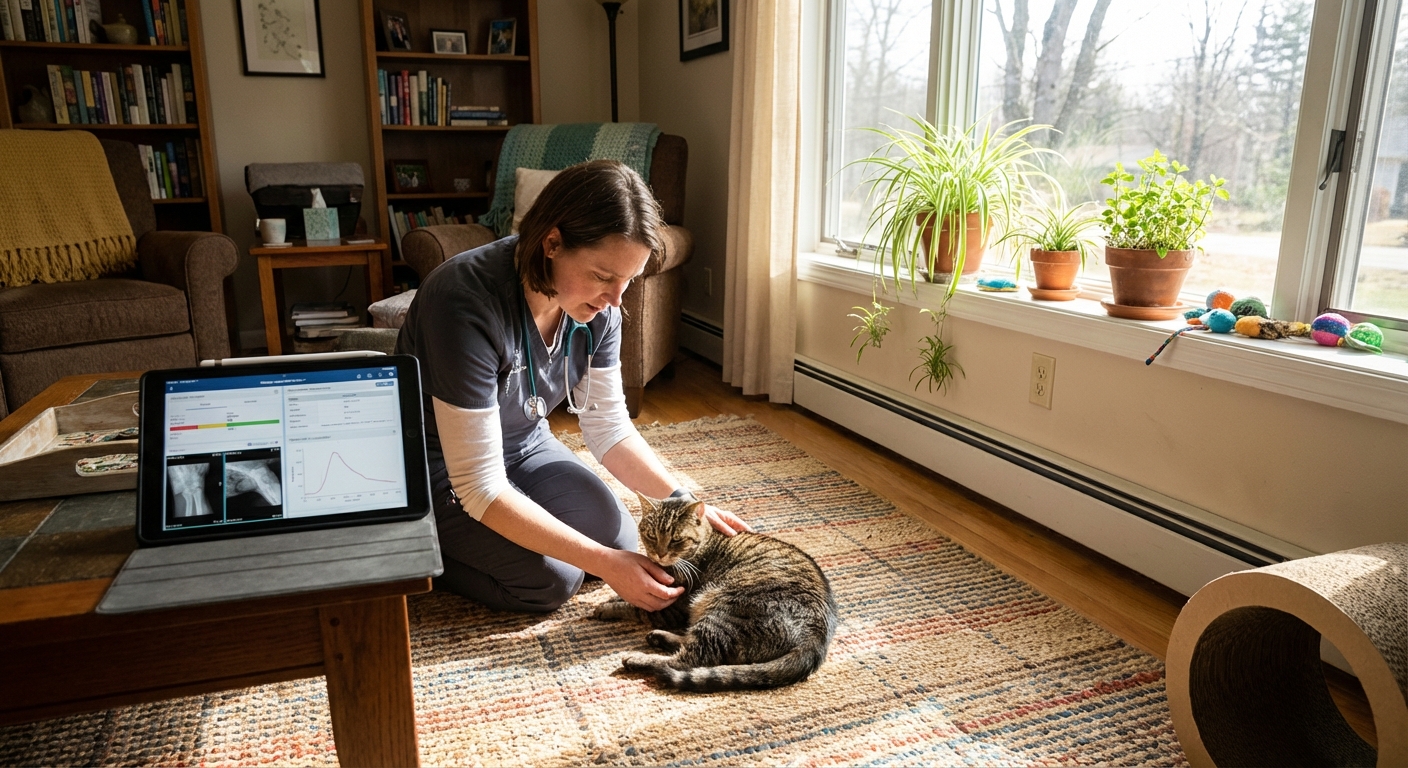
Annual (or semiannual for seniors) wellness exams
- Physical exam, heart and lung check, dental review, weight and BCS.
Vaccinations
- Core vaccines (e.g., panleukopenia, calicivirus, herpesvirus, and rabies where required). - Non-core vaccines as recommended based on lifestyle (outdoor, multi-cat household, etc.).
Parasite Control
- Year-round flea and tick prevention in many regions. - Routine deworming based on risk.
Bloodwork & Urinalysis
- Baseline labs around age 1–2 are helpful. - Annual labs for middle-aged cats (7+) can catch kidney, liver, or thyroid issues early.
Step-by-Step: Making Vet Visits Less Stressful
Carrier training
- Leave the carrier out as part of the furniture. - Add a soft blanket, treats, or toys. - Reward your cat for choosing to enter the carrier.
Practice car rides
- Short, treat-filled rides with no vet visit at the end.
Use calming aids
- Feline pheromone sprays or wipes in the carrier. - Soft, non-slip bedding inside.
4. Dental Care: The Overlooked Pillar of Wellness
More than half of adult cats have some degree of dental disease, which can impact heart, kidney, and general health.
At-Home Dental Routine
Ideal (Gold Standard)
- Daily or near-daily toothbrushing with cat-safe enzymatic toothpaste.
- VOHC-approved dental treats or diets.
- Dental gels or wipes.
If brushing isn’t possible
Product Types to Ask Your Vet About
- Enzymatic cat toothpaste and small, soft brushes.
- Dental diets designed to reduce tartar.
- Professional dental cleanings under anesthesia when recommended.
5. Emotional Wellness: Reducing Stress and Anxiety
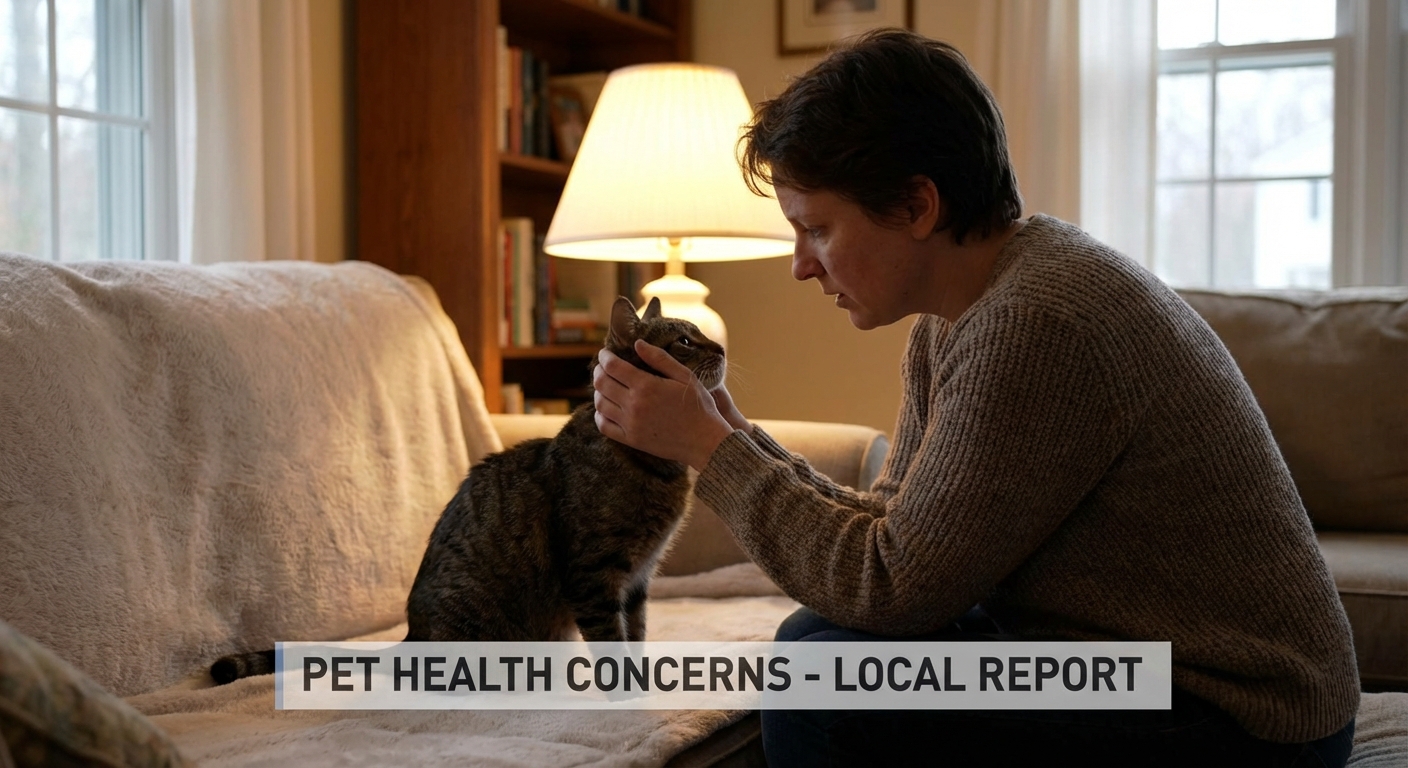
Chronic stress in cats can contribute to problems like feline lower urinary tract disease (FLUTD), overgrooming, aggression, and digestive issues.
Create a Safe, Predictable Environment
Vertical space
- Cat trees, window perches, shelves. - High resting spots help cats feel secure and in control.
Hiding places
- Cardboard boxes, covered beds, tunnels.
Resource distribution
- For multi-cat homes, follow the rule: one per cat, plus one extra for litter boxes, feeding stations, and water sources.
Gentle, consistent routines
- Feed, play, and interact at similar times each day.
Calming Products Commonly Used
- Pheromone diffusers or sprays (synthetic facial pheromones).
- Soft music or white noise in busy households.
- Interactive play to redirect anxious energy.
6. Enrichment & Exercise: Keeping Minds and Bodies Active
Indoor cats live longer but can be prone to boredom and weight gain.
Daily Enrichment Plan (Sample)
Morning (5–10 minutes)
- Short play session with a wand toy mimicking prey (move like a bird or mouse, not a laser pointer only).
Daytime
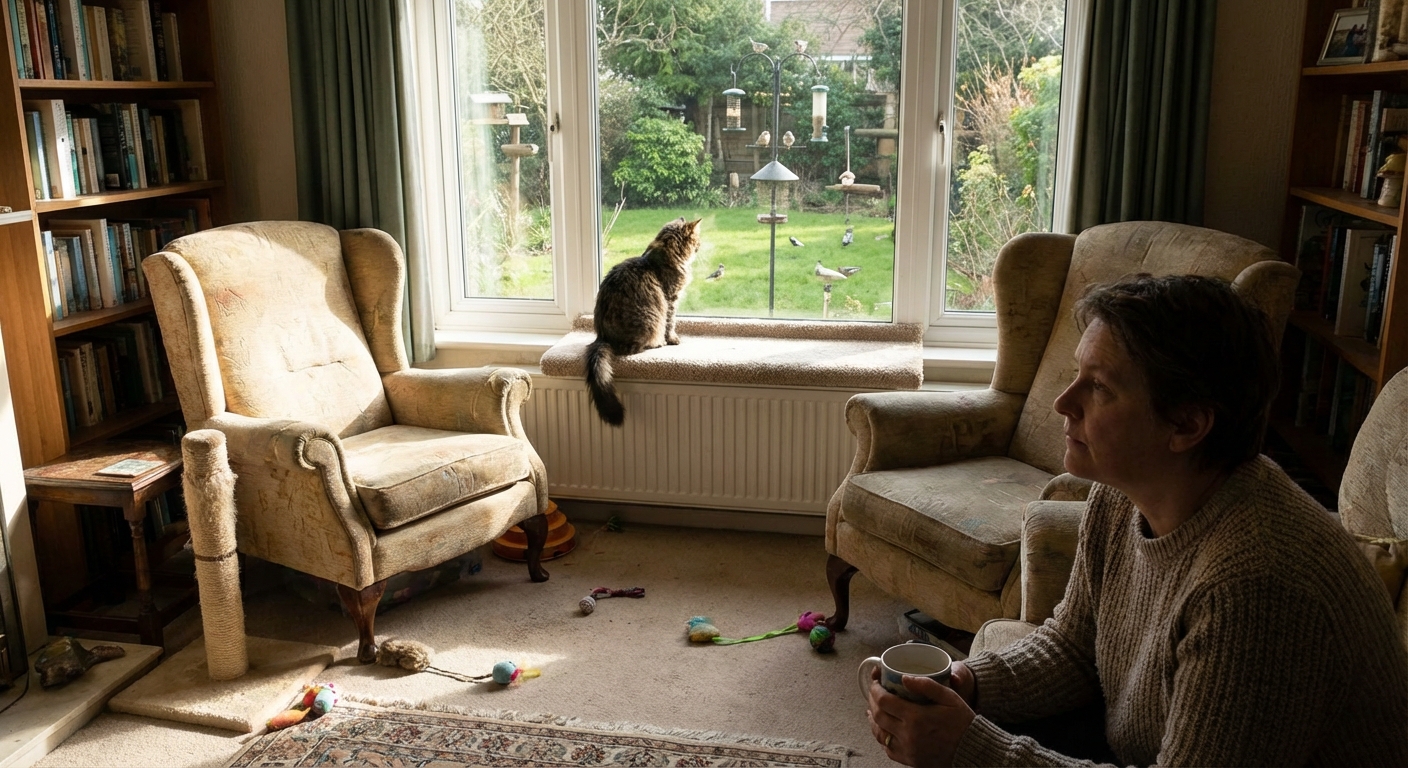
- Puzzle feeders or treat balls. - Window view with a bird feeder outside.
Evening (10–15 minutes)
- High-energy play, followed by a meal—this matches the “hunt–catch–eat–sleep” cycle.
Recommended Enrichment Tools
- Food puzzles and slow feeders.
- Feather wands, kicker toys, and crinkle tunnels.
- Cat grass trays for safe chewing.
7. Litter Box Health & Hygiene
Litter box issues are often wellness issues.
Healthy Litter Box Setup
- Number: One box per cat, plus one extra.
- Location: Quiet, easily accessible, not next to loud appliances.
- Size: At least 1.5x the length of your cat from nose to base of tail.
- Type: Many cats prefer large, open boxes with unscented, fine clumping litter.
Daily & Weekly Routine
- Scoop at least once daily (twice is better).
- Fully empty, wash with mild unscented soap, and refill every 2–4 weeks.
Any sudden change in litter box habits warrants a vet check.
8. Life Stage Wellness: Kitten, Adult, Senior
Kittens (0–12 months)
- Focus on vaccinations, parasite prevention, and socialization.
- Feed a kitten-formulated diet.
- Start gentle handling of paws, mouth, and ears early.
Adults (1–7 years)
- Maintain stable weight and routine play.
- Annual wellness exams and dental monitoring.
- Consider insurance or a wellness savings fund.
Seniors (7+ years)
- Twice-yearly vet visits.
- Monitor for:
- Increased thirst/urination
- Weight loss
- Behavior changes or stiffness
- Nutritional adjustments (e.g., kidney-support diets when indicated).
9. Building Your Cat’s Wellness Toolkit
Consider assembling a simple wellness kit:
- Quality wet and dry food appropriate for life stage.
- Pheromone diffuser.
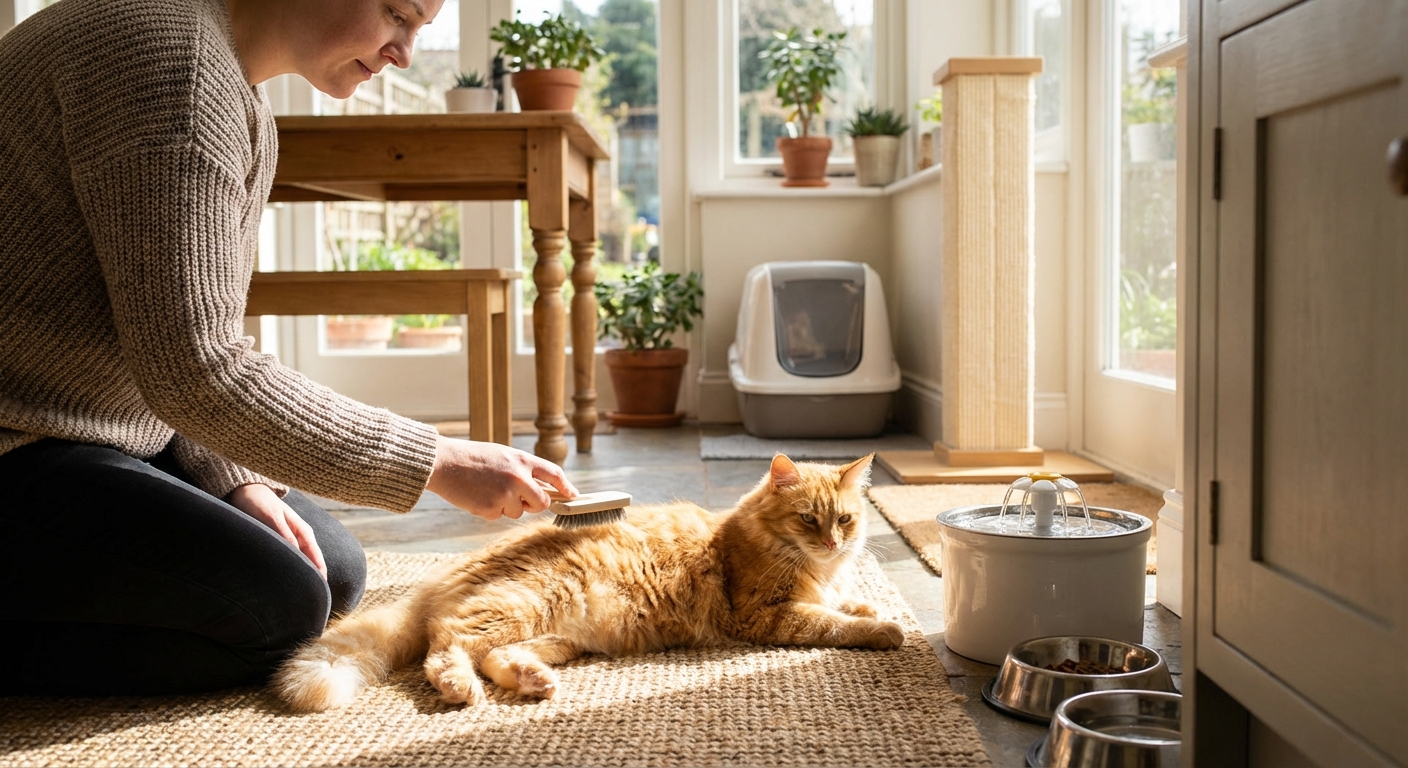
- Nail clippers and a brush/comb suitable for coat type.
- Toothbrush/toothpaste or dental treats.
- Basic first-aid items (vet-approved only; avoid human meds).
- Carrier with soft bedding and a familiar blanket.
10. A Gentle, Sustainable Approach
You don’t have to implement everything at once. Pick one or two areas:
- Week 1: Improve litter box hygiene.
- Week 2: Add one daily play session.
- Week 3: Book a wellness exam or discuss diet with your vet.
Small, consistent steps create powerful change over your cat’s lifetime. Wellness is a long, loving conversation between you, your cat, and your veterinary team—and you’re already partway there simply by seeking out this knowledge.
Key Takeaway
The most important thing to remember from this article is that this information can change how you think about Cat Wellness.