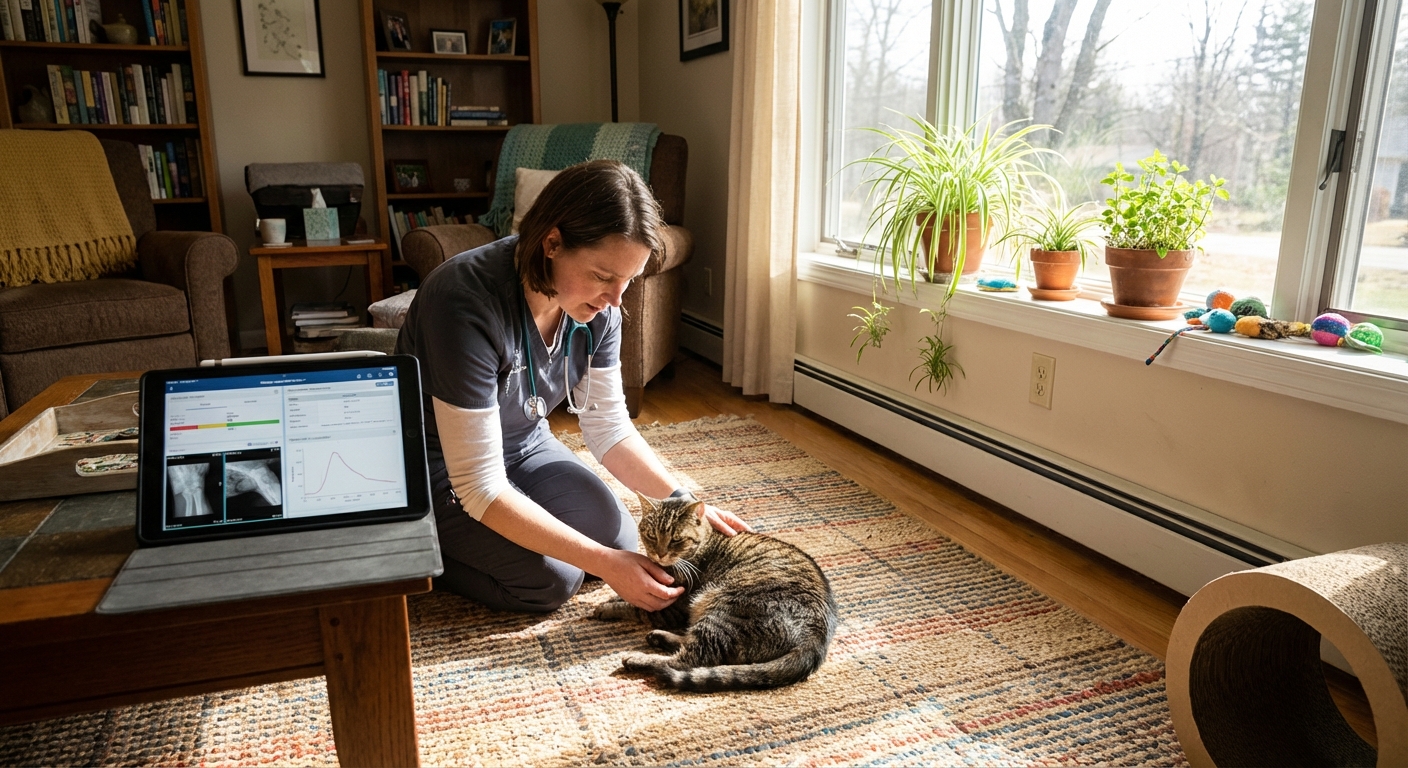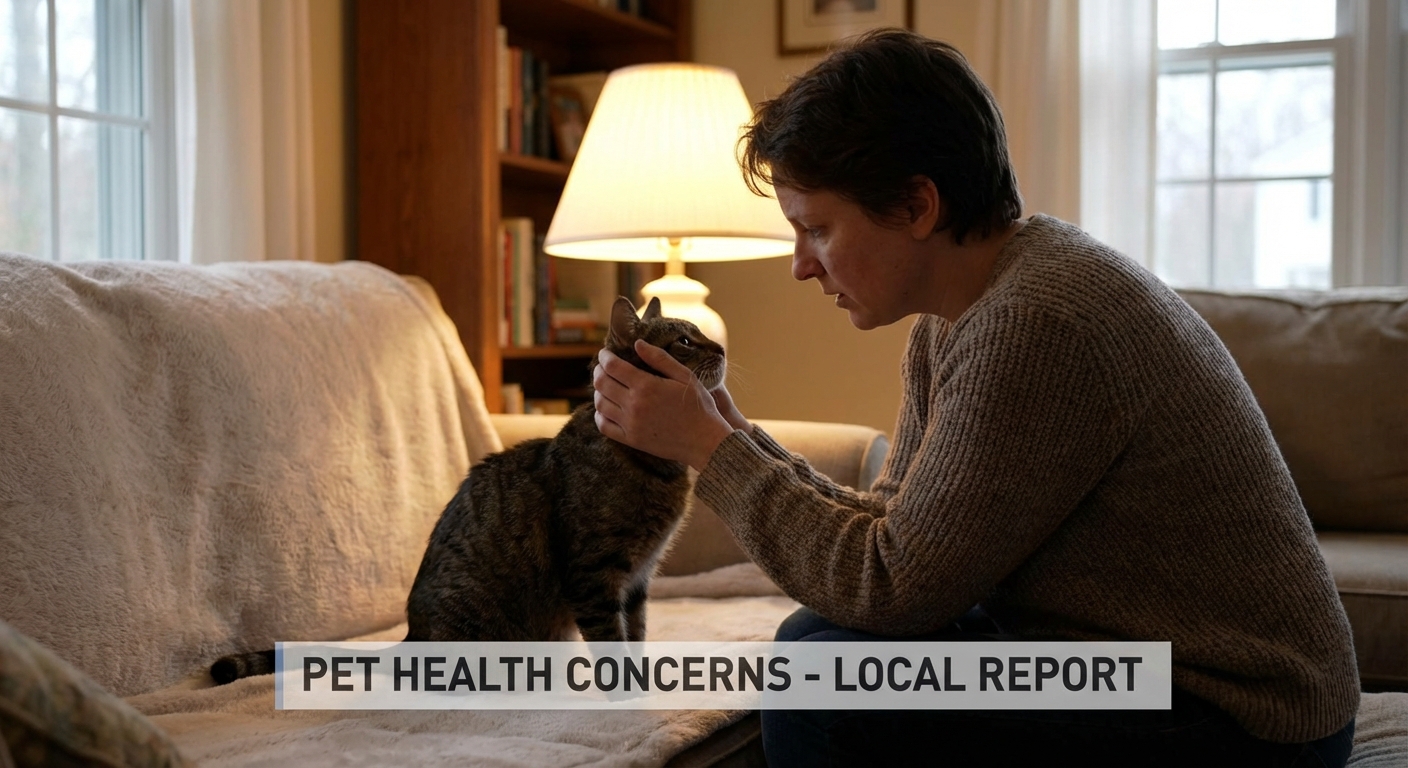
Cats are masters at hiding pain and illness—a survival instinct from their wild ancestors. Unfortunately, this means many health problems aren’t obvious until they’re advanced.
Why Early Detection Matters So Much for Cats
Research and clinical experience both show that early detection often leads to simpler treatments, lower costs, and far better outcomes. This guide helps you recognize subtle changes and know when to call your vet, so you can advocate confidently for your cat.
1. The “Normal Baseline”: Your Most Powerful Wellness Tool
Before you can spot a problem, you need to know what’s normal for your cat.
How to Build a Baseline
Over a week or two, gently observe and, if possible, record:
- Eating habits: How much, how fast, and how eagerly they eat.
- Water intake: How often they visit the bowl or fountain.
- Litter box patterns: Frequency, appearance of urine and stool.
- Energy level: Typical activity vs. naps.
- Social behavior: Usual level of cuddling, play, and vocalization.
- Body weight & shape: Ribs easily felt but not seen, visible waist from above.
You can use a simple notebook or a pet health app. This becomes your reference point for spotting change.
2. Silent Red Flags in Eating & Drinking
Appetite Changes
Potential concerns:
- Decreased appetite (hyporexia) for more than 24 hours.
- Complete refusal to eat for 24 hours (especially dangerous in overweight cats due to risk of fatty liver disease).
- Increased appetite with weight loss (could signal hyperthyroidism, diabetes, or GI issues).
What to watch for:
- Leaving food they’d normally finish.
- Walking away from the bowl and returning repeatedly.
- Chewing on one side of the mouth only.
Water Intake Changes
- Increased drinking and urination can be linked to kidney disease, diabetes, or thyroid disorders.
- Decreased drinking combined with lethargy may signal dehydration.
- Place measuring marks on the water bowl or use a measured pitcher to estimate daily water use.
Home wellness step:
3. Litter Box Clues You Should Never Ignore
The litter box is a window into your cat’s health.
Urine Changes
Seek veterinary care promptly if you notice:
- Straining to urinate or crying in the litter box.
- Frequent attempts with little or no urine output.
- Blood-tinged urine or very strong, unusual odor.
Male cats are at particular risk for urinary blockage, a true emergency that can be fatal within 24–48 hours.
Stool Changes
Monitor for:
- Diarrhea lasting more than 24–48 hours.
- Constipation (straining, dry hard stools, fewer bowel movements).
- Mucus or blood in the stool.
Mild, short-lived changes can occur with diet shifts or stress, but ongoing issues warrant a vet visit.
4. Behavior & Mood: When Personality Shifts Are a Health Signal
Behavior changes are often the first signs of discomfort.
Signs to Watch
- Hiding more than usual or seeking isolation.
- A normally social cat avoiding family interactions.
- Increased clinginess or agitation.
- Changes in vocalization—more yowling, especially at night.
These can be linked to pain, cognitive decline (in seniors), hyperthyroidism, or other conditions.
How to Track
- Note approximate times and triggers.
- Record short video clips when behavior seems odd—this helps your vet tremendously.
5. Subtle Physical Changes: Coat, Weight, and Movement
Coat & Grooming
Look for:
- Dull, greasy, or unkempt fur—may signal pain, arthritis, or systemic illness.
- Overgrooming one area, leading to hair loss or irritation (common with stress, allergies, or pain).
- Feel for new lumps, bumps, or scabs.
- Check skin for flea dirt (small black specks that turn red-brown on a damp paper towel).
Run your hands gently along your cat regularly:
Weight Shifts
Weigh your cat monthly if possible.
- Gradual weight gain can contribute to diabetes, joint stress, and decreased quality of life.
- Unintentional weight loss (even 5–10%) is a significant red flag.
Use a baby scale or weigh yourself holding your cat, then subtract your own weight.
Movement & Posture
Notice:
- Hesitation to jump where they used to leap easily.
- Stiffness after naps.
- Narrowed eyes, hunched posture, or guarding one area.
These can indicate arthritis or chronic pain, even in younger cats.
6. Eyes, Nose, and Mouth: Small Details, Big Insights
Eye Health
Concerning signs include:
- Persistent redness or cloudiness.
- Squinting or holding one eye closed.
- Excessive tearing or thick discharge.
Nose & Breathing
Monitor for:
- Congestion or noisy breathing.
- Frequent sneezing with discharge.
- Open-mouth breathing or rapid breathing at rest (urgent—contact your vet).
Mouth & Teeth
- Bad breath that suddenly worsens.
- Drooling, dropping food, pawing at the mouth.
- Visible tartar, red gums, or broken teeth.
Dental disease is extremely common and affects overall wellness, not just the mouth.
7. When Is It an Emergency? A Simple Triage Guide
Call your vet (or an emergency clinic) immediately if you see:
- Straining in the litter box with little/no urine.
- Open-mouth breathing or blue/pale gums.
- Collapse, seizures, or inability to stand.
- Repeated vomiting (more than 2–3 episodes in a few hours).
- Sudden, severe pain (crying, aggression when touched, severe hiding).
These are not “wait and see” situations.
8. Simple At-Home Monitoring Tools
You don’t need fancy gadgets to support early detection, but a few tools can help:
- Notebook or app for tracking appetite, litter habits, and behavior.
- Baby scale for monthly weight checks.
- Phone camera for recording gait, breathing, or odd behavior.
- Fountain or multiple water bowls to better observe drinking habits.
- Smart litter boxes that track weight and elimination patterns.
- Pet cameras to monitor behavior when away.
Some pet parents also use:
These can be helpful, but they complement—not replace—your observations and veterinary care.
9. Partnering with Your Vet: How to Share Concerns Effectively
Your vet relies on your day-to-day observations. To make visits more productive:
- Bring notes or logs of changes you’ve seen.
- Share videos of concerning behavior.
- Be specific: “She’s urinating 5–6 times a day now; it used to be 2–3.”
- “What early signs should I watch for with my cat’s age/breed/condition?”
- “How often do you recommend bloodwork and urine testing?”
Ask questions like:
10. A Gentle, Proactive Mindset
It can be scary to think about illness, especially in a beloved cat who feels like family. But early detection is an act of love, not anxiety. By learning your cat’s normal patterns and watching for quiet changes, you’re giving them the best chance at:
- Less invasive treatments
- Lower pain and discomfort
- More quality years by your side
Trust your intuition. If something feels “off,” even if you can’t explain it perfectly, you’re never wrong to call your veterinary team. You know your cat’s story better than anyone—and that awareness is one of the most powerful wellness tools they have.
Key Takeaway
The most important thing to remember from this article is that following these steps can lead to great results.