Cat parents often struggle with a key wellness decision: Should my cat go outside? Outdoor access offers stimulation and exercise, but it also carries serious health risks.
The Big Question: Indoors, Outdoors, or Something In Between?
This guide compares indoor, outdoor, and hybrid lifestyles using science-backed pros and cons, then shows you how to build the safest, healthiest setup for your individual cat.
1. Health & Safety: What the Research Tells Us
Multiple studies and veterinary organizations report that indoor-only cats generally live longer than free-roaming outdoor cats, often by several years. The main reasons:
- Reduced risk of trauma (cars, falls, animal attacks).
- Less exposure to infectious diseases.
- Lower likelihood of parasite infestations.
But wellness isn’t just about lifespan—it’s also about quality of life. That’s where enrichment and thoughtful compromises come in.
2. Comparing Lifestyle Options
Fully Indoor Cats
Benefits:
- Much lower risk of injury and infectious disease.
- Easier to monitor eating, litter box use, and behavior.
- Safer for local wildlife.
- Potential for boredom and weight gain without proper enrichment.
- Some cats may show frustration if their environment is too limited.
Challenges:
Outdoor-Access Cats (Free-Roaming)
Perceived benefits:
- Natural opportunities to climb, hunt, and explore.
- High level of physical and mental stimulation.
- Cars, predators, and human-related dangers.
- Fights with other animals, abscesses, and injuries.
- Exposure to FIV, FeLV, parasites, toxins, and poisons.
- Getting lost or stolen.
Serious risks:
Hybrid or Controlled-Outdoor Cats
Includes:
- Leash and harness walks.
- Catios (enclosed outdoor patios for cats).
- Supervised yard time in secure, escape-proof spaces.
- Many of the enrichment perks of going outside.
- Greatly reduced safety risks when well-managed.
- Training, supervision, and appropriate equipment.
Benefits:
Needs:
3. Building the Best Indoor Environment for Wellness
If you opt for an indoor or hybrid lifestyle (recommended by most feline experts), focus on creating a rich, cat-centered home.
Essentials for a Healthy Indoor Territory
Vertical Space
- Cat trees, wall shelves, window perches. - Vertical options reduce tension in multi-cat homes and support exercise.
Scratching Options
- Vertical and horizontal scratchers. - Materials: sisal, cardboard, carpet—offer variety.
Safe Hiding Spots
- Boxes, cubbies, covered beds. - Key for reducing stress and supporting emotional wellness.
Play & Hunting Simulation
- Daily interactive play sessions. - Puzzle feeders and treat hunts.
Litter Box Hygiene
- Clean, quiet, easily accessible boxes.
With these in place, fully indoor cats can thrive physically and emotionally.
4. Safer Outdoor Access Options (With Step-by-Step Tips)
A. Catios: Enclosed Outdoor Spaces
What they are:
- Secure, screened structures (from window boxes to full patios) that let cats enjoy fresh air, sights, and smells without free roaming.
- Sunbathing, bird watching, fresh air.
- More exercise opportunities if climbing shelves and perches are included.
Wellness benefits:
Getting started:
- Decide on a location (window, balcony, yard).
- Ensure escape-proof construction: strong mesh, secure latches.
- Add perches, shelves, and shady spots.
- Continue flea/tick prevention even with enclosed spaces.
B. Harness & Leash Training
Many cats can learn to enjoy safe outdoor walks.
Step-by-step:
- Choose the right harness: a snug, cat-specific style that’s hard to wriggle out of.
Indoor acclimation
- Let your cat sniff the harness. - Progress to laying it over their body, then brief wear with treats. 3. Attach the leash indoors and let them drag it (supervised). 4. Move to a quiet outdoor area once they’re comfortable, keeping sessions short.
Safety tips:
- Never attach a leash to a collar alone (risk of neck injury).
- Avoid high-traffic, noisy areas while training.
- Use flea, tick, and parasite prevention as recommended by your vet.
C. Supervised Yard Time
Some pet parents use cat-safe fencing or fully supervised time in enclosed yards.
- Inspect for escape routes regularly.
- Provide shaded areas and fresh water.
- Never leave your cat unsupervised where predators or loose dogs are possible.
5. Health Considerations for Any Outdoor Exposure
If your cat will have any outdoor access:
Vaccinations
- Stay current on core vaccines. - Ask about FeLV vaccines for outdoor or multi-cat households.
Parasite Prevention
- Monthly flea/tick preventives. - Worming protocols as recommended by your vet.
ID & Microchipping
- Breakaway collar with ID tag. - Microchip registered with up-to-date contact info.
Regular Health Checks
- Watch for unexplained wounds, limping, or behavior changes after outdoor time.
6. Special Considerations: Seniors, Kittens, and Medically Fragile Cats
Senior Cats
- May enjoy sunny catios or gentle harness walks.
- Be mindful of arthritis—avoid forcing long walks or high jumps.
Kittens
- Strong instinct to explore, but poor danger assessment.
- Focus on indoor socialization and enrichment first.
- If outdoors, always controlled (catios or harness/leash) and supervised.
Cats with Chronic Illness
- Discuss outdoor exposure with your vet.
- Immune-compromised cats often do best as strictly indoor with robust enrichment.
7. Emotional Wellness: Respecting Your Cat’s Preferences
Every cat is an individual.
Signs your indoor cat is content:
- Regular play and engagement.
- Relaxed body language, frequent naps in varied spots.
- No obsessive door-dashing or constant window agitation.
- Persistent attempts to bolt outside.
- Destructive scratching or vocalizing near doors/windows.
- Apparent boredom (overgrooming, excessive sleeping without play).
Signs your cat may need more enrichment:
Often, adding more interactive play, vertical space, and window entertainment significantly reduces outdoor-escape behaviors.
8. Choosing the Best Lifestyle for Your Cat
A compassionate, wellness-focused decision balances:
- Safety and medical risks.
- Mental and emotional needs.
- Your environment (urban vs rural, traffic, wildlife).
- Your ability to provide enrichment and supervision.
For most cats, the ideal compromise is:
A rich indoor life plus some form of controlled outdoor access (catio, harness walks, or safe enclosures), supported by preventive vet care.
9. Small Steps to Upgrade Your Cat’s World Today
You can start improving wellness right away by:
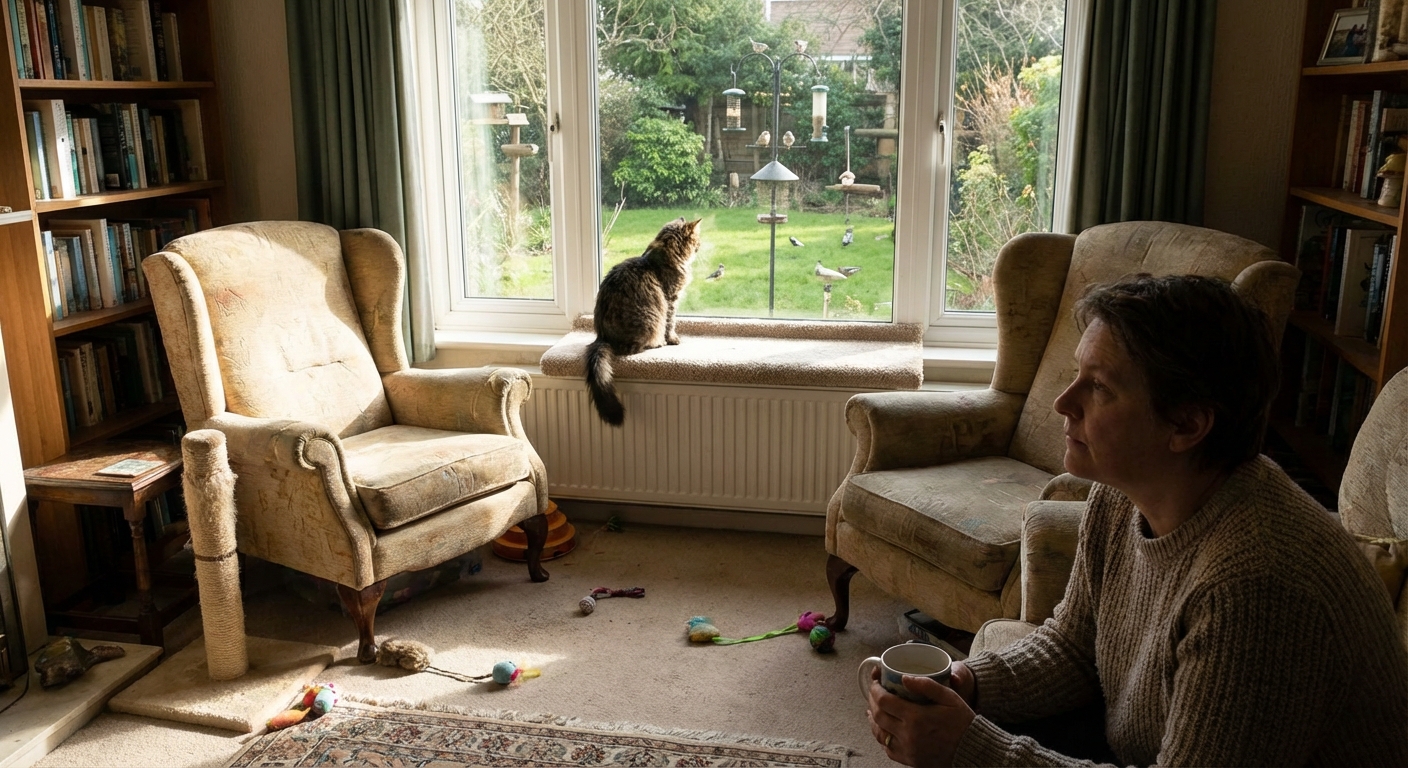
- Adding a window perch with a bird feeder outside.
- Scheduling two short daily play sessions.
- Starting gentle harness acclimation indoors.
- Planning a simple DIY catio or exploring pre-made options.
Whether your cat remains indoors or enjoys carefully managed outdoor adventures, your thoughtful planning keeps them safe, stimulated, and deeply loved. That combination—security plus meaningful enrichment—is the heart of true feline wellness.
Key Takeaway
The most important thing to remember from this article is that this information can change how you think about Cat Wellness.