Treats are love tokens for many pet parents—a training reward, a bedtime ritual, a way to say “I see you.” But nutritionally, they’re more than a small extra. For some pets, treats can make up up to 20% of daily calories, which can significantly influence weight, dental health, and even behavior.
Why Treats Matter More Than You Think
Veterinary nutritionists generally recommend that treats make up no more than 10% of daily caloric intake. Within that 10%, we have a powerful opportunity: to support joint health, digestion, dental care, and emotional well-being.
This guide will help you choose treats that nourish your pet’s body and preserve the joy of those special moments.
Step 1: Calculate a Safe Treat Budget
Before picking the perfect snack, it helps to know your pet’s daily calorie needs.
1. Estimate Daily Calories
Your vet can give the most accurate number, but a simple rule-of-thumb for adult dogs at a healthy weight:
- 30 × (body weight in kg) + 70 = approximate daily calories
For cats, a common starting point is:
- 40–45 calories per kg of body weight (adjusted for activity and body condition)
2. Set the 10% Treat Limit
- If your dog needs 800 kcal/day → treats = max 80 kcal/day
- If your cat needs 200 kcal/day → treats = max 20 kcal/day
Check the treat package for calories per piece, or estimate based on similar products if not listed.
Tip: Keep a small sticky note on your treat jar with “Max per day: X treats” based on calories. This helps everyone in the household stay consistent.
Step 2: Decode Treat Labels Like a Pro
1. Ingredient List Basics
Ingredients are listed in order of weight. Look for:
- Named protein sources: “chicken,” “salmon,” “turkey liver” rather than “meat by-products.”
- Limited ingredient lists for pets with sensitivities.
- Avoid excessive sweeteners like sugar, corn syrup, or maltodextrin.
For cats and dogs, ideal treats are rich in animal protein and relatively low in simple carbohydrates.
2. Understand Marketing Terms
- “Natural”: Minimally processed, no synthetic additives, but not a guarantee of quality.
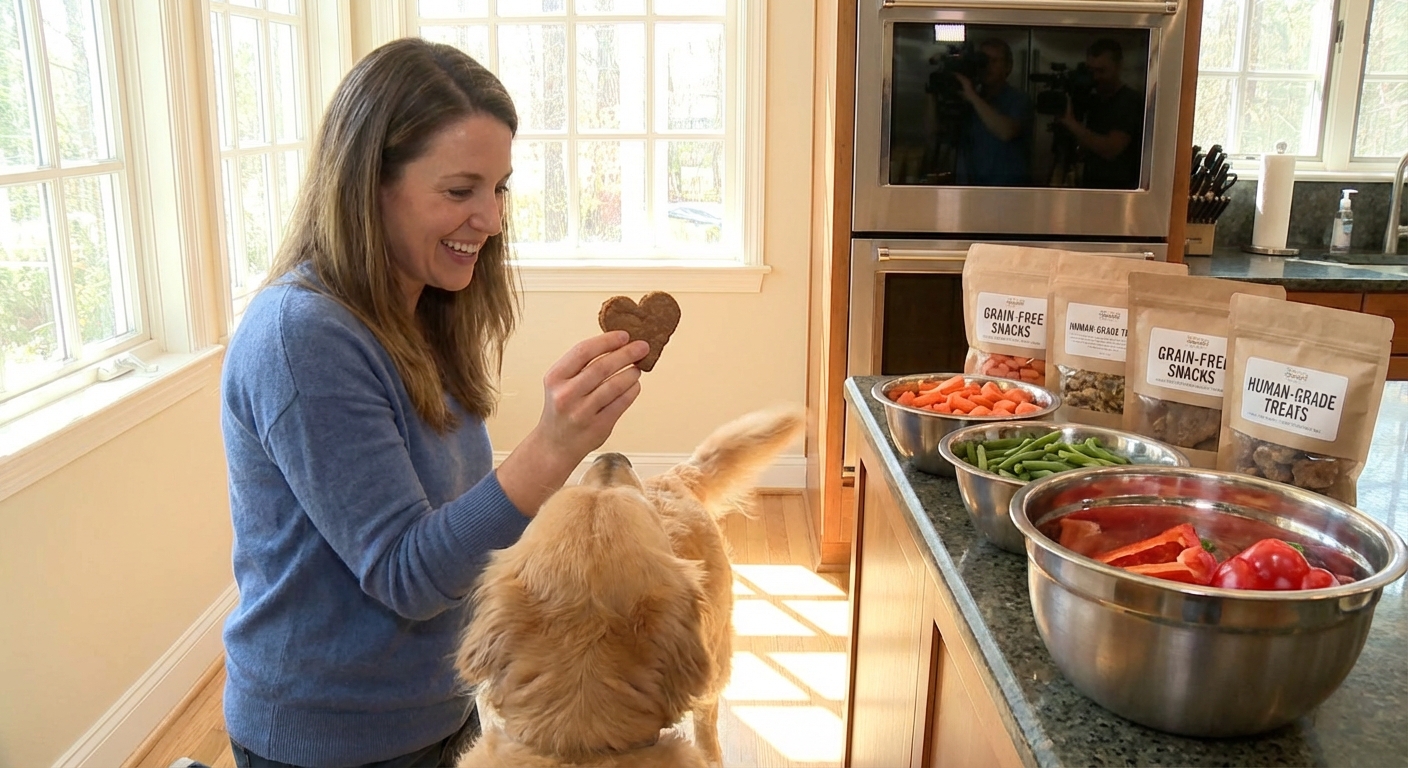
- “Grain-free”: Removes grains but may include other carbs (peas, potatoes). Not inherently better unless your pet has a specific sensitivity.
- “Human-grade”: Ingredients and production standards meet criteria for human food. Often a good sign, but still check nutrition.
3. Look for These Quality Signals
- Clear AAFCO or FEDIAF compliance statement when relevant (more common on complete foods than treats, but some brands include it).
- Transparency about sourcing (e.g., “chicken raised in X country”).
- High percentage of named animal ingredients.
Step 3: Match Treat Types to Your Pet’s Needs
1. Training Treats
Training requires many repetitions, so treats should be:
- Small, soft, and low-calorie (1–3 kcal per piece if possible)
- Highly palatable to keep your pet motivated
Examples:
- Tiny soft meat bites
- Freeze-dried single-ingredient meats broken into pea-sized pieces
- For cats: small freeze-dried chicken or salmon bits
2. Dental Treats
Dental chews can be helpful, but they’re not magic. Look for:
- VOHC (Veterinary Oral Health Council) seal for proven plaque/tartar reduction
- Size-appropriate textures that encourage chewing rather than gulping
Still, nothing replaces brushing teeth for optimal dental health.
3. Functional Treats
These are treats with added health benefits, such as:
- Joint support (glucosamine, chondroitin, omega-3s)
- Skin and coat (omega-3 and omega-6 fatty acids)
- Digestive support (probiotics, prebiotics, pumpkin)
For pets with specific issues (arthritis, itchy skin, sensitive stomach), functional treats can complement veterinary care, but they should be selected in consultation with your vet.
4. Limited-Ingredient and Hypoallergenic Treats
For pets with food allergies or intolerances:
- Choose single-ingredient treats (e.g., freeze-dried duck, dehydrated rabbit, pure fish skins).
- Avoid their known trigger proteins or carbohydrates.
Always introduce new treats slowly and monitor for itching, ear redness, loose stools, or vomiting.
Healthy Whole-Food Treat Options
Simple whole foods, when safe and vet-approved, can be nutritious treats:
For Dogs (in moderation)
- Carrot sticks: Crunchy, low-calorie, full of beta-carotene.
- Green beans (plain, cooked or raw): High fiber, very low calorie.
- Blueberries: Antioxidants and vitamins.
- Cooked plain chicken or turkey (no seasoning, skin, or bones): High protein.
For Cats
Cats are obligate carnivores. Suitable options include:
- Tiny pieces of cooked plain chicken, turkey, or rabbit
- Freeze-dried meat treats (single ingredient)
Most fruits and vegetables are less appealing and not necessary for cats; focus on animal protein.
For Rabbits and Small Herbivores
- Fresh herbs (parsley, cilantro, basil) in small amounts
- Leafy greens (romaine, leafy lettuces—no iceberg)
- Very small amounts of fruit (apple, berry) as rare treats
Avoid sugary processed treats marketed for small animals; they can contribute to GI upset and dental disease.
Always verify new treat foods with your vet, especially if your pet has chronic health conditions.
Simple Step-by-Step Treat Upgrade Plan
- Audit your current treats.
- Check ingredient lists, calories, and portion sizes.
- Note any artificial colors, excessive sweeteners, or unnamed meats.
- Set a daily treat limit (10% of daily calories or less).
Divide your treat budget:
- ~60–70% for training and bonding - ~20–30% for functional or dental treats - ~10–20% for special, high-value rewards 4. Gradually transition to healthier treats over 7–10 days to monitor tolerance. 5. Track changes in your pet’s weight, energy, coat quality, and stool.
Heartwarming Ways to Use Treats Without Overfeeding
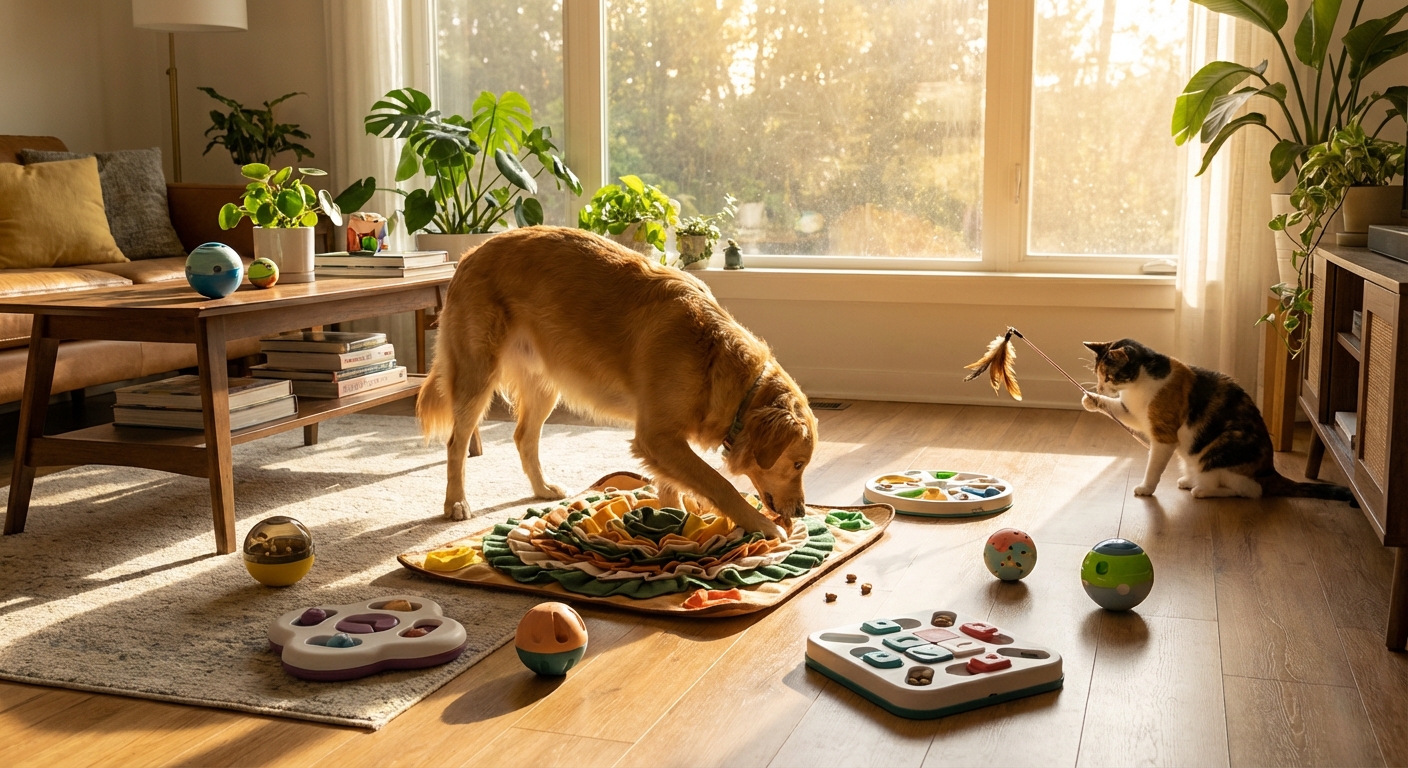
- Scatter feeding: Hide part of the treat allowance in snuffle mats or puzzle toys. This taps into natural foraging instincts and provides mental enrichment.
- Training mini-sessions: Use treats during 3–5 short training bursts daily to reinforce manners and deepen your bond.
- Calorie "swaps": Replace high-calorie chews with interactive play plus a small, high-value treat—your pet often enjoys the attention just as much.
Remember: To your pet, the connection matters more than treat size. A pea-sized reward given with warm eye contact and gentle praise can feel as meaningful as a giant biscuit.
When to Call the Vet About Treats
Consult your veterinarian before introducing new treats if your pet has:
- Diabetes
- Pancreatitis or history of GI upset
- Kidney or liver disease
- Food allergies or inflammatory bowel disease
- Severe dental disease or missing teeth
These pets can still enjoy treats, but they’ll need carefully selected options and sometimes prescription-only products.
Encouragement for Caring Pet Parents
If you’ve fallen into the habit of over-treating, you’re not alone. We give treats because we love our animals and want them to feel cherished. Shifting to healthier, measured treats isn’t about restriction—it’s about honoring that love with choices that support longer, more comfortable lives.
Each thoughtfully chosen treat says: “I want you to feel good today, and I want you here with me for as long as possible.” That’s the sweetest reward of all—for both of you.
Key Takeaway
The most important thing to remember from this article is that this information can change how you think about Pet Products.