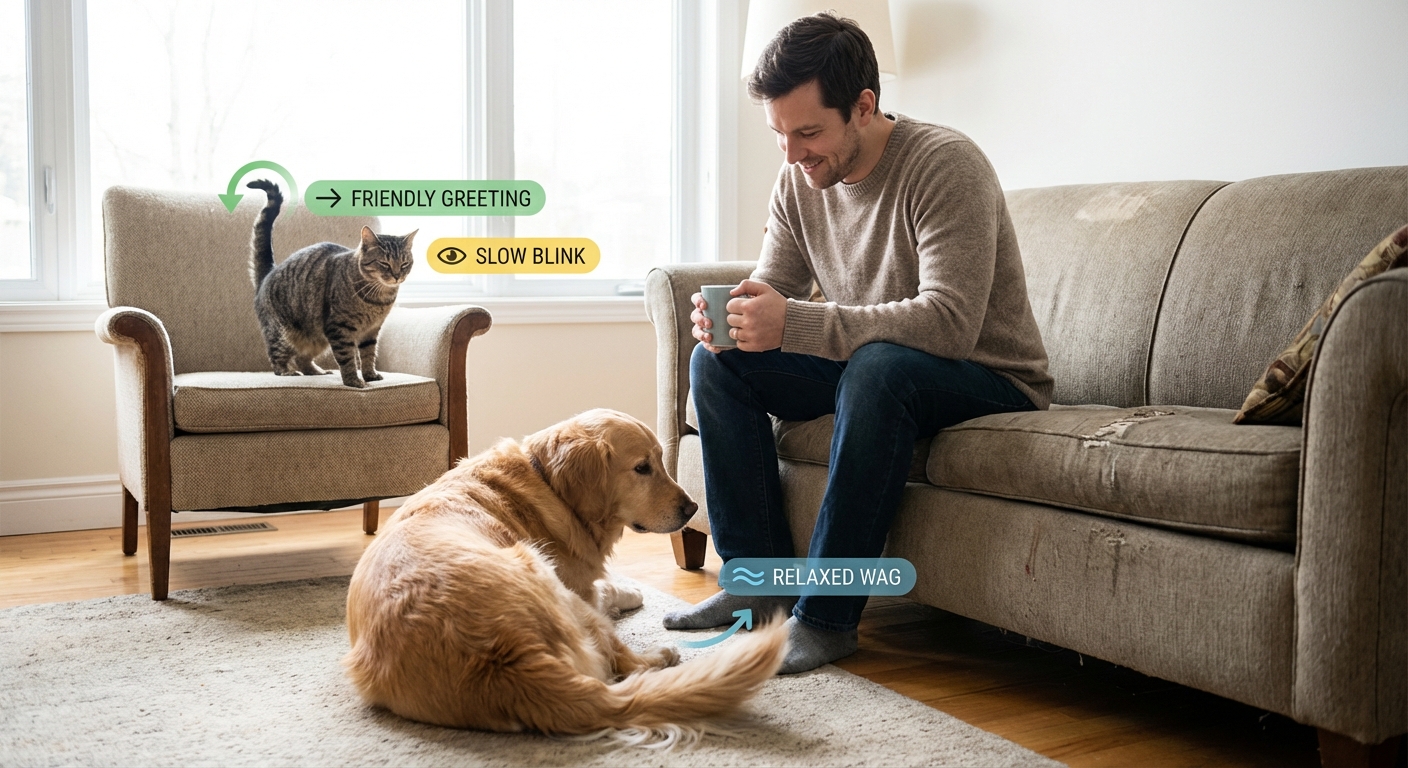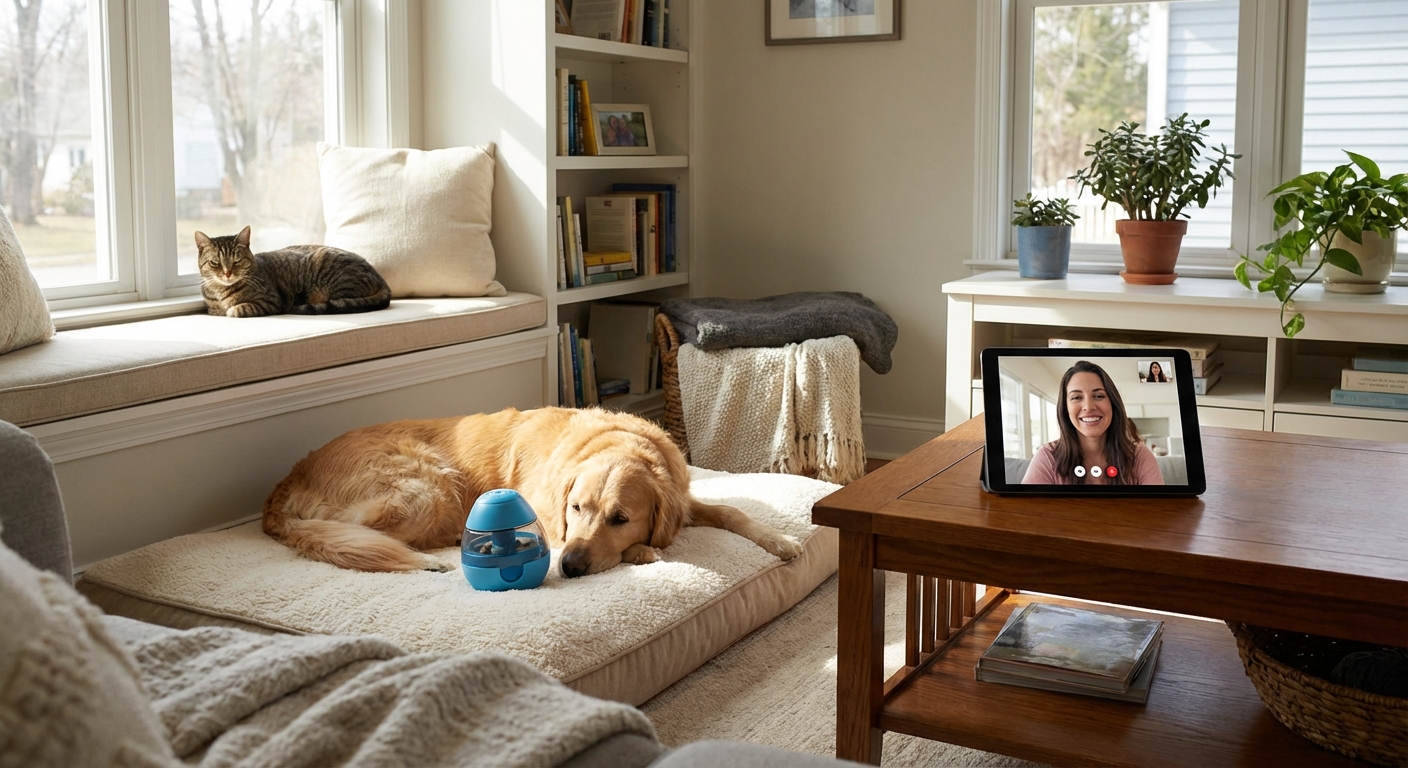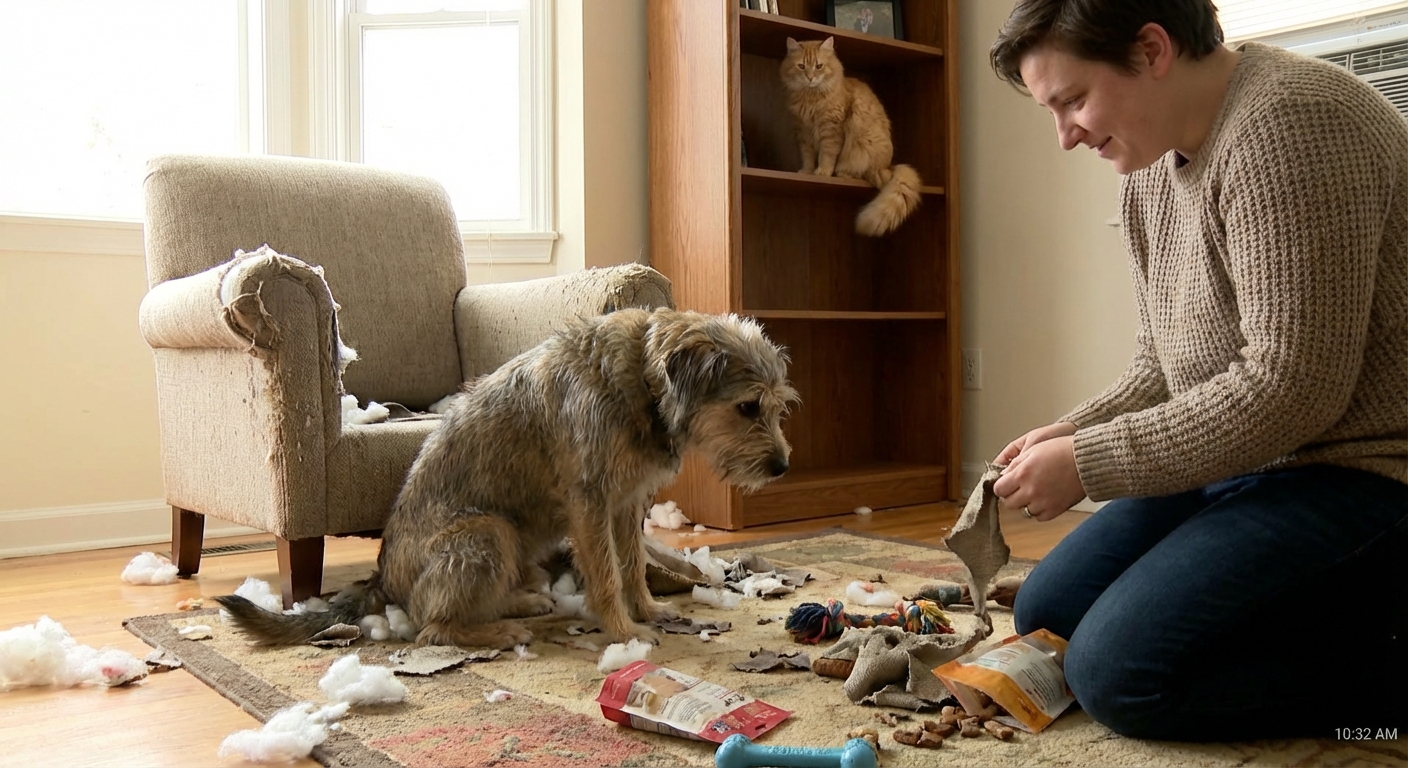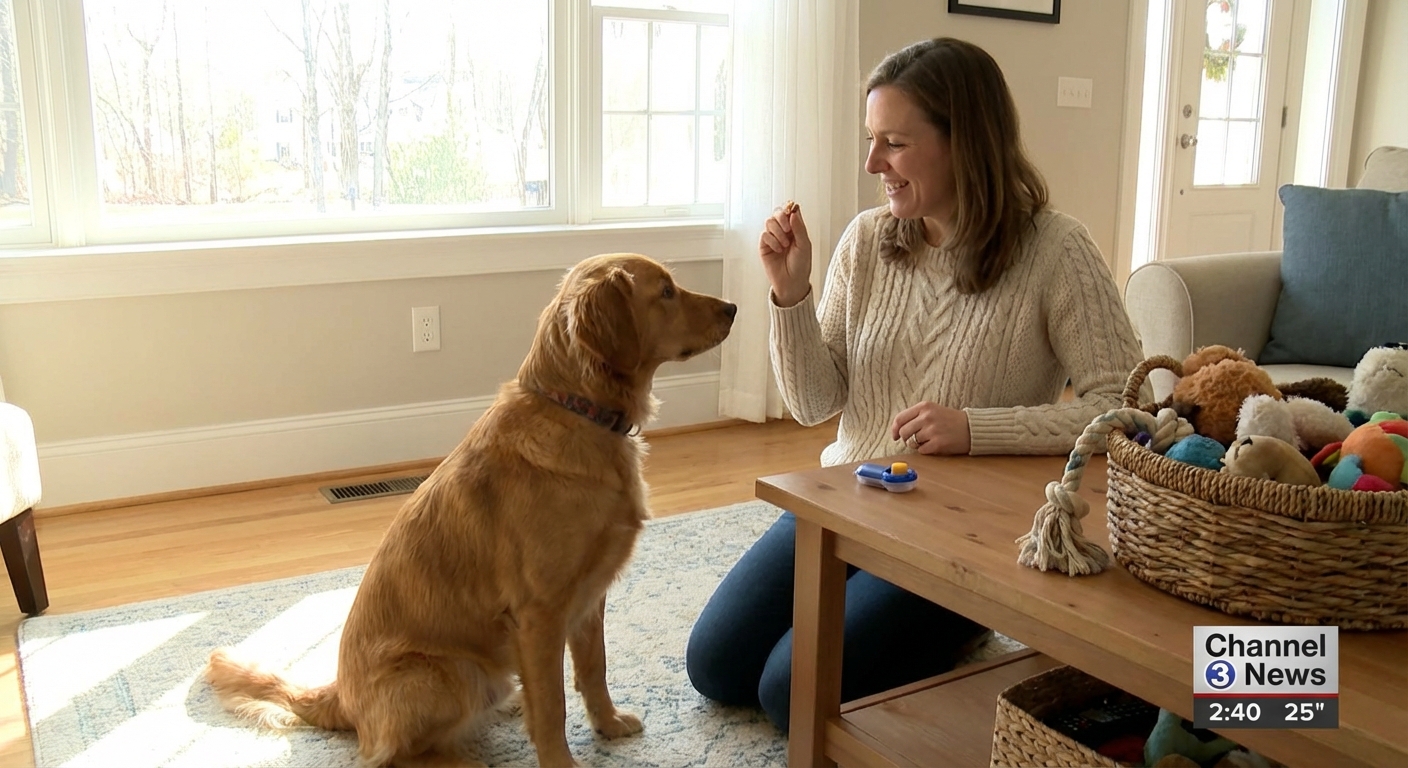
Good manners aren’t about making your pet “obedient”—they’re about helping them feel safe and supported in a human world. Modern behavior science is clear: positive reinforcement (rewarding desired behaviors) creates faster learning, stronger bonds, and fewer behavior problems than punishment.
Why Kind, Science-Based Training Works Best
This guide walks you through a gentle, step-by-step approach you can use with dogs and, in many cases, cats too.
The Science in Simple Terms
Animals repeat behaviors that get them something they like: food, play, attention, relief from pressure. This is the heart of positive reinforcement.
Research shows that pets trained with reward-based methods:
- Show fewer signs of fear and anxiety
- Learn tasks more quickly
- Are more likely to offer desirable behaviors voluntarily
On the other hand, punishment-based methods can:
- Suppress warning signals (like growling) rather than address the emotion
- Increase stress hormones
- Damage trust between you and your pet
Your goal: Make it rewarding to be calm and cooperative, and easy to understand what you’re asking.
Your Positive Training Starter Kit
Here’s a nurturing, practical setup that supports success:
High-value treats
- Soft, pea-sized pieces (think chicken, cheese, commercial soft training treats). - For cats, try lickable treats, tiny bits of cooked meat, or commercial cat treats.
Marker tool
- A clicker or a consistent word like “Yes!” or “Good!” - This marks the exact moment your pet does the right thing.
Comfortable equipment (for dogs)
- Front-clip or Y-shaped harness (no choke, prong, or shock). - A 6-foot standard leash (skip retractables while you’re teaching manners).
Training journal or app
- Track what you worked on, how your pet responded, and any triggers or successes.
Step-by-Step: Teaching Calm Basics
Step 1: Name-Response (“Check-In”)
This is the foundation: when you say their name, they look toward you.
- Say your pet’s name once, in a warm tone.
- The moment they glance your way, mark (“Yes!”) and give a treat.
- Repeat 5–10 times in a quiet room.
- Gradually add mild distractions (different rooms, backyard, then walks for dogs).
Goal: Their name becomes a cue that something good might happen, so they choose to check in with you.
Step 2: Sit (or Station) as a Calm Default
For dogs, “sit” is helpful; for some cats, a “station” behavior (sitting on a mat or perch) works better.
- Hold a treat just above your dog’s nose and slowly move it back over their head. As the head tips up, the rear naturally lowers.
- The moment their bottom hits the ground, mark and treat.
- After several reps, say the word “Sit” right before you lure.
- Gradually fade the lure so your hand cue becomes smaller.
For cats:
- Place a mat or small rug on the floor.
- When your cat naturally steps or sits on it, mark and reward.
- Toss the treat off the mat so they have to return to earn another reward.
- Add a word (“Mat” or “Place”) before they step on.
Heartwarming use: Ask for a sit or mat before meals, door greetings, or toys. You’re teaching, “Good things happen when you’re calm.”
Step 3: Polite Leash Walking (for Dogs)
Pulling is normal for dogs—they walk faster than us and want to explore. The goal isn’t a robot heel; it’s a loose leash and shared comfort.
- Start indoors or in your yard. Clip on the leash, have treats handy.
- Take one step. If the leash is loose, mark and treat by your thigh.
- If your dog forges ahead and the leash gets tight, stop moving.
- When they glance back or move toward you, mark and reward near your side, then continue.
- Repeat, gradually adding more steps between treats.
Use equipment that reduces physical strain. Avoid any gear that causes pain; it may temporarily reduce pulling but can increase anxiety and reactivity over time.
Step 4: Teaching “Leave It” With Empathy
“Leave it” should mean, “Turn away from that thing and good things come from me instead.”
- Place a treat in your closed fist. Present your fist to your pet.
- They’ll sniff, lick, maybe paw. Wait calmly.
- The moment they move their nose away, mark and give a different treat from your other hand.
- Repeat until turning away happens quickly.
- Add the cue “Leave it” just before you present your fist.
Over time, practice with treats on the floor, then low-value items on walks. Always pay with something of equal or higher value.
Gentle Problem-Solving: Common Behavior Issues
Jumping on People (Dogs)
Jumping is usually a greeting, not dominance.
Plan:
- As you or guests enter, stand still; avoid pushing your dog off (that’s still attention).
- The moment all four paws are on the floor or they offer a sit, mark and reward.
- Ask visitors to only pet when paws are down.
Consistency turns polite greetings into a habit.
Scratching Furniture (Cats)
Scratching is normal and healthy.
Plan:
- Place sturdy scratching posts near favorite “illegal” spots.
- Sprinkle catnip or use a wand toy to encourage use.
- When they scratch the post, mark and reward (treats, praise, play).
- Use double-sided tape or furniture-safe deterrent on problem areas temporarily.
Product Recommendations That Support Positive Training
Clickers or quiet markers
- Look for small, ergonomic clickers with adjustable volume or muffled sound for sensitive pets.
Treat pouches
- Clip-on, easy-open pouches keep rewards handy so you can mark good behavior instantly.
Interactive feeders and puzzle toys
- Slow down fast eaters, reduce boredom, and channel mental energy into problem-solving.
Harnesses and flat collars
- For dogs: Y-shaped, padded harnesses distribute pressure comfortably. - Avoid shock, prong, or choke devices; they rely on pain and can worsen behavior.
Lick mats and chew toys
- For dogs and some cats: Licking and chewing are self-soothing behaviors. - Smear with pet-safe spreads (xylitol-free peanut butter, canned food).
Encouragement for Overwhelmed Pet Parents
If your pet pulls, barks, claws, or ignores you, it doesn’t mean you’ve failed. It means they need guidance and emotional support they can understand.
Start with one small skill. Practice for just 3–5 minutes, once or twice a day. Celebrate tiny wins—a quicker check-in, a shorter pull on leash, one successful “leave it.”
Progress is rarely a straight line. What matters most is that your pet learns the world is safer, clearer, and kinder when they look to you for guidance. That sense of safety is the heart of good manners.
Key Takeaway
The most important thing to remember from this article is that this information can change how you think about Pet Behavior.