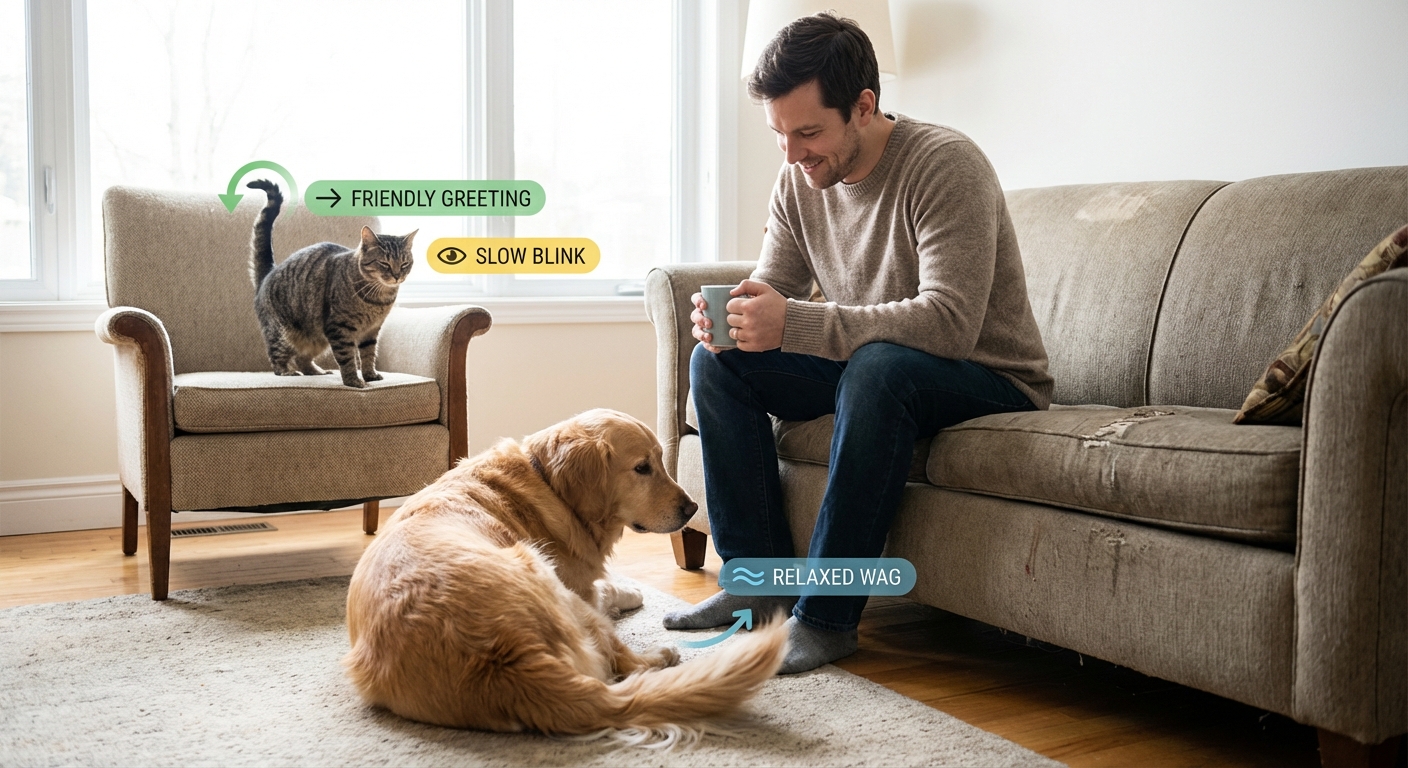
Many “naughty” behaviors—chewing shoes, pestering for attention, knocking things off counters—are really your pet’s way of saying, “I need something to do.”
Boredom: The Hidden Culprit Behind Many Behavior Problems
Enrichment is about more than fancy toys. It’s the daily practice of meeting your pet’s natural needs to sniff, chase, chew, climb, solve problems, and explore. When those needs are met, behavior often improves as a happy side effect.
This list-style guide offers practical, low-stress ideas for both dogs and cats, with options for different energy levels and household setups.
1. Sniff Walks (Dogs)
Instead of focusing only on distance or speed, dedicate certain walks as “sniff safaris.” Let your dog lead (within safety limits) and explore smells at their own pace.
Why it helps: Sniffing lowers heart rate and promotes relaxation. Studies suggest that scent work can reduce stress and improve overall welfare.
How-to:
- Use a harness and a longer leash (10–15 feet where safe and legal).
- Allow frequent pauses; reward check-ins with quiet praise.
2. Scent Games at Home (Dogs & Cats)
Hide small treats around a room and encourage your pet to “find it.”
How-to:
- Start easy: place treats in plain sight.
- Gradually hide treats in more challenging spots (under cups, behind table legs).
- For cats, use extra-smelly treats or kibble.
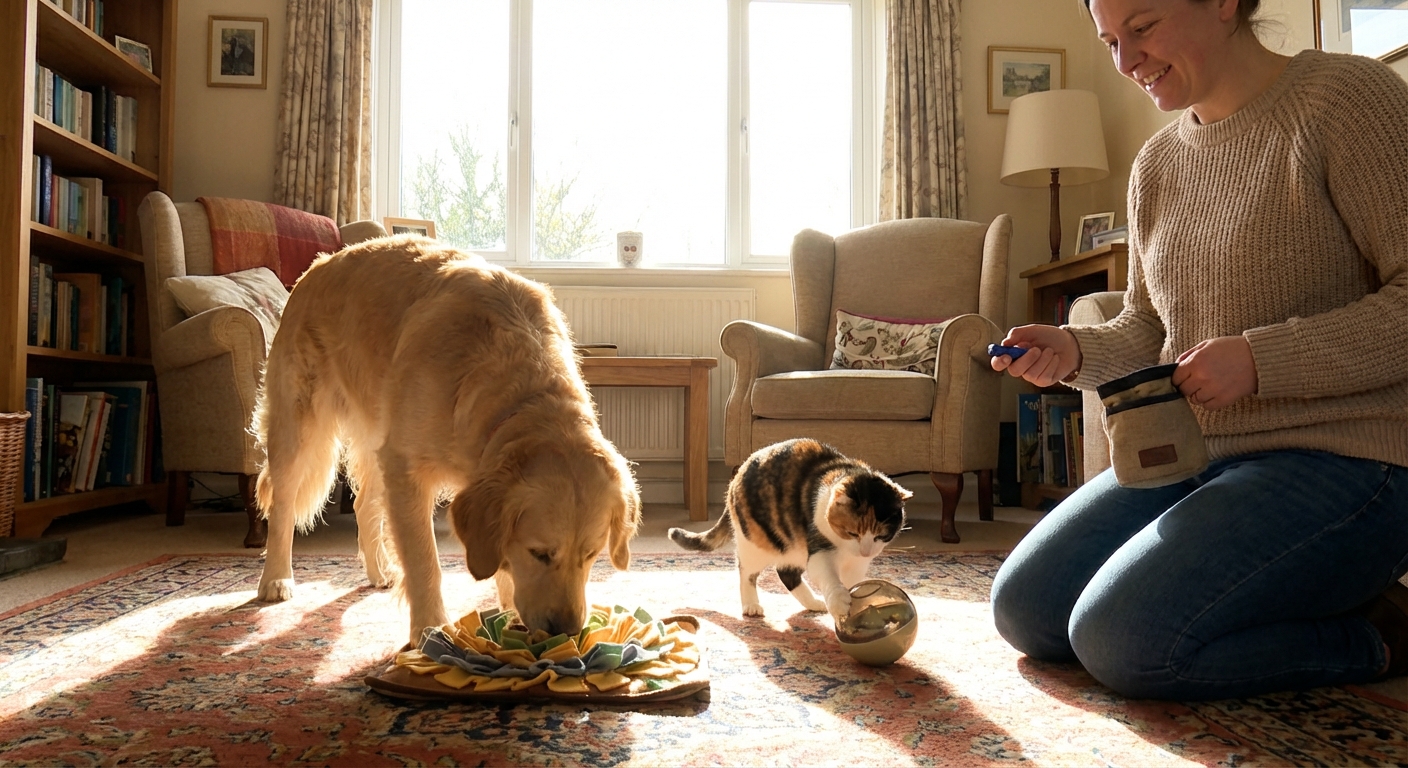
Product support: Snuffle mats, treat balls, and puzzle boards make this even easier.
3. Food Puzzles and Slow Feeders
Replacing a standard food bowl with a puzzle turns meals into mental workouts.
Benefits: Slows down fast eaters, engages problem-solving, and reduces boredom.
Options:
- Puzzle bowls and mazes
- Lick mats spread with canned food or pet-safe purees
- Stuffable toys (for dogs) or treat balls (for cats)
4. DIY Cardboard Challenges (Cats & Dogs)
Save boxes and paper towel tubes for budget-friendly enrichment.
Ideas:
- Scatter treats in a box filled with crumpled paper.
- Cut holes in a box and place toys or treats inside for your cat to fish out with paws.
- Create a “treat tunnel” using multiple boxes taped together.
Always supervise until you know your pet won’t ingest cardboard or tape.
5. Training as Enrichment (Both)
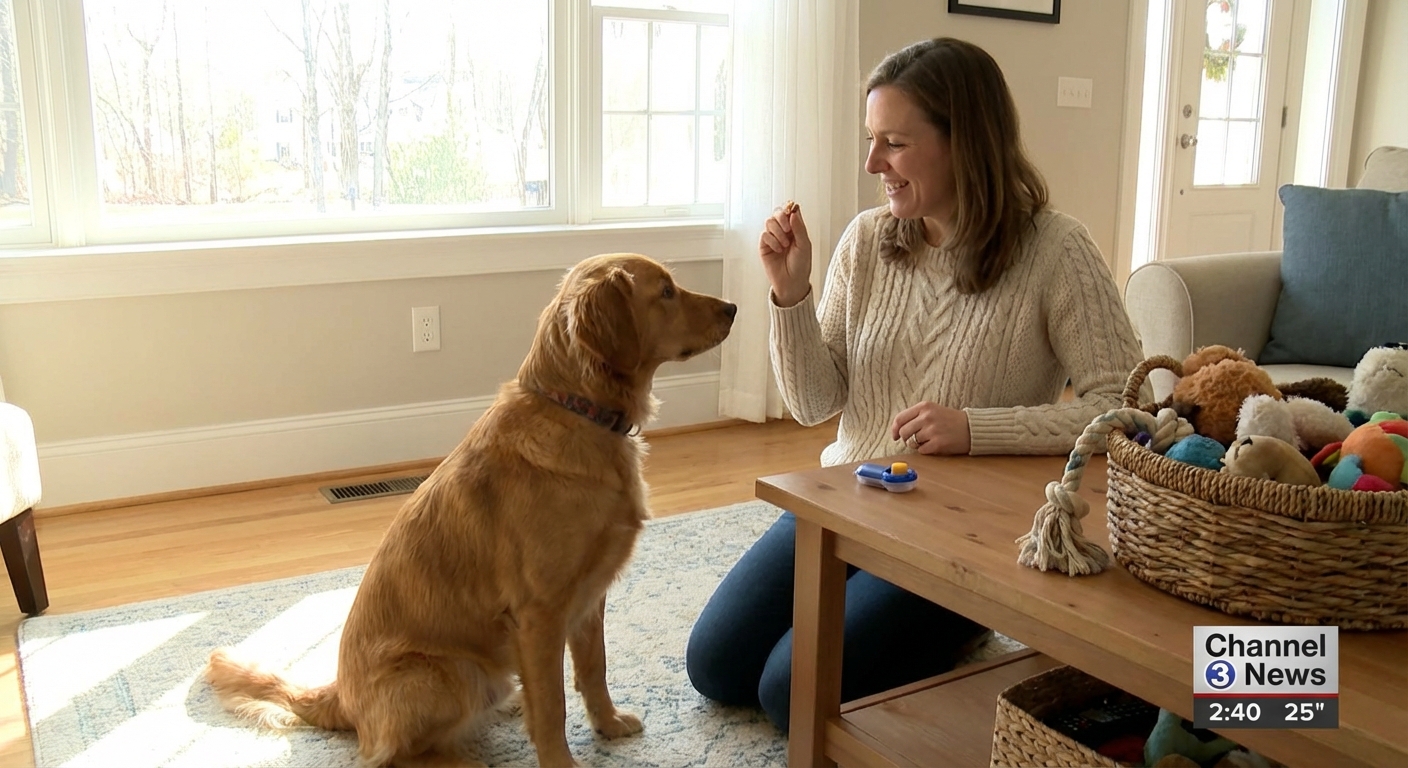
Short, positive training sessions challenge your pet’s brain and strengthen your bond.
Try:
- Teaching a new trick (spin, high-five, touch a target).
- Practicing cues in new rooms or during mild distractions.
Keep sessions to 3–5 minutes to avoid frustration.
6. Scatter Feeding (Dogs & Cats)
Instead of placing all their food in one bowl, toss kibble over a clean rug or lawn.
Why it helps: Mimics natural foraging and slows eating.
For indoor cats: Use a snuffle mat or scatter kibble on a washable mat.
7. Window Watching and Bird TV (Cats)
Set up a perch by a secure window. Add a bird feeder outside if possible.
Products that help:
- Window-mounted cat hammocks
- Stable cat trees placed near safe windows
This gives your cat a constantly changing “TV” channel.
8. Rotate Toys Regularly
Even the best toy becomes boring if it’s always available.
Plan:
- Divide toys into 3–4 baskets.
- Offer one set for a week, then rotate.
- Keep a few all-time favorites accessible.
This keeps novelty high without constant buying.
9. Chasing and Pouncing Games (Cats)
Use wand toys, feather teasers, or laser pointers thoughtfully.
How-to:
- Move the toy like prey: quick dashes, pauses, and direction changes.
- Always end with a real toy or treat your cat can physically catch to avoid frustration.
Laser pointers should be used sparingly and always followed by something tangible to “catch.”
10. Chew Time for Dogs
Chewing is a natural stress-reliever.
Options:
- Vet-approved long-lasting chews
- Sturdy rubber toys designed for chewing
- Stuffed, frozen toys for longer engagement
Supervise new chews and choose sizes appropriate for your dog to prevent choking.
11. Vertical Worlds for Cats
Cats feel safer and more confident when they can move vertically.
Ideas:
- Cat trees and shelves
- Clear paths to high spots like bookcases (secured to prevent tipping)
This can reduce conflict in multi-cat homes by giving more “territory levels.”
12. At-Home Obstacle Courses (Dogs)
Use what you have to create a mini agility course.
Ideas:
- Cushions to step over
- Chairs to weave through
- A blanket-draped table as a “tunnel”
Guide your dog slowly and reward for calm exploration, not speed.
13. Gentle Massage and Grooming Rituals
For many pets, touch can be soothing enrichment—if done with consent.
How-to:
- Start with short, gentle strokes in areas your pet already enjoys.
- Watch body language; stop if they stiffen, move away, or show stress signs.
- Pair grooming tools with treats and breaks.
This can turn nail trims and brushing into less stressful events over time.
14. Social Enrichment
Not every pet wants more social time, but many thrive on it.
Dogs:
- Calm playdates with a well-matched dog friend.
- Quiet visits to pet-friendly stores for social exposure.
Cats:
- Structured introduction of a compatible feline friend in some cases.
- Extra interactive playtime with you.
Always match social experiences to your pet’s comfort level.
15. Evening Wind-Down Routines
Slow, predictable routines help pets shift from active to restful states.
Ideas:
- A gentle sniff walk or short play session, followed by a chew or lick mat.
- For cats: a short play-hunt, then dinner—mimicking “hunt, eat, groom, sleep.”
This aligns with natural rhythms and can reduce nighttime restlessness.
Choosing the Right Enrichment for Your Pet
Every pet is an individual. Some general guidelines:
- High-energy dogs need more physical + mental challenges (sniff walks, puzzles, training games).
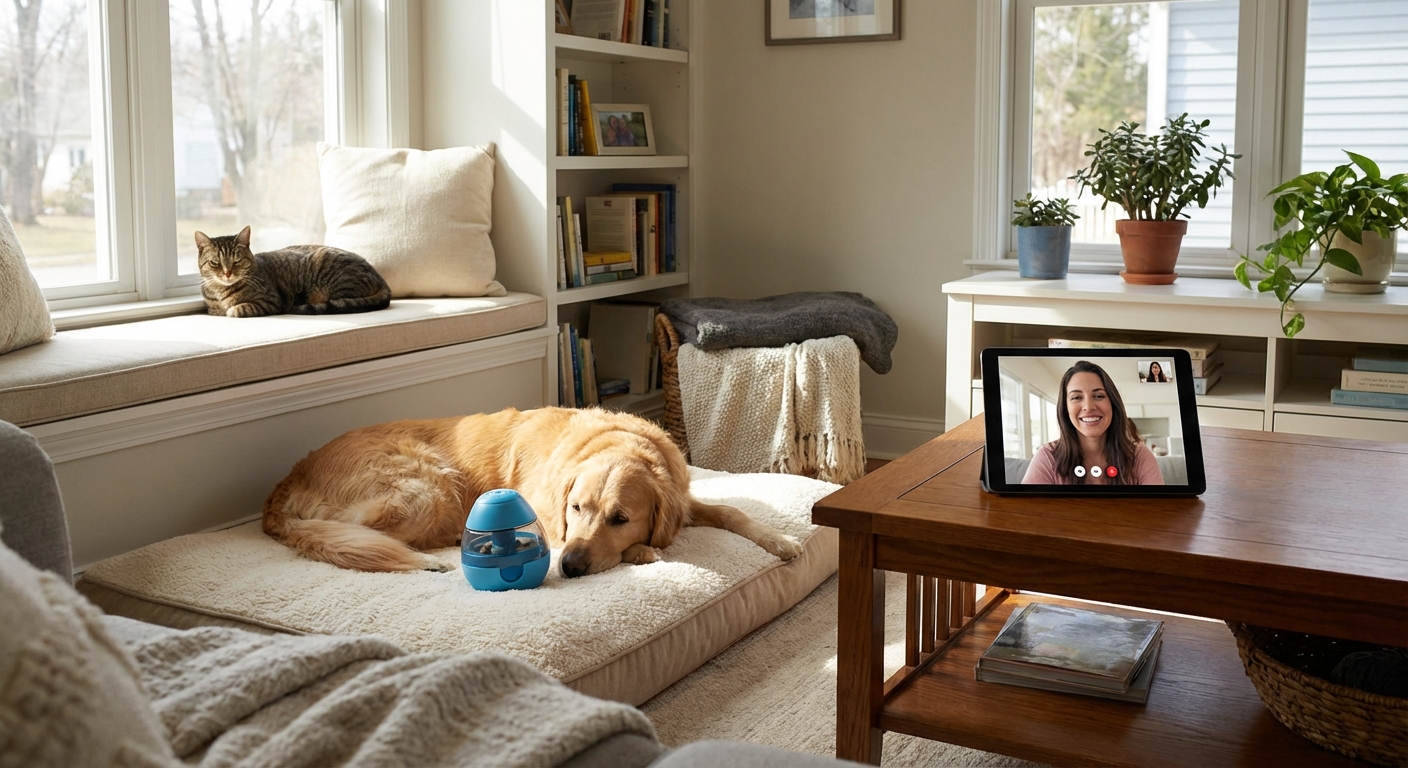
- Senior or mobility-limited pets benefit from gentler, scent-based or puzzle activities.
- Shy or anxious pets may prefer solo or low-intensity games in safe spaces.
Watch their body language. The right enrichment leads to relaxed, content behavior afterward—not frantic over-arousal.
Recommended Products to Get Started
- Snuffle mats – Great for both dogs and cats; encourage natural foraging.
- Interactive puzzle toys – Choose starter-level puzzles and gradually increase difficulty.
- Cat trees and window perches – Support vertical exploration and safe viewing.
- Lick mats and stuffable toys – Perfect for calm, soothing enrichment.
- Variety toy packs – Balls, soft toys, and wand toys for cats; fetch and tug toys for dogs.
Focus on durability and safety over sheer quantity.
A Gentle Reminder: Enrichment Is Love in Action
You don’t need to schedule elaborate activities every day. Even 10 mindful minutes—a sniffy walk, a puzzle meal, or a focused play session—can shift your pet’s behavior and emotional well-being.
Enrichment is how we say, “I see who you are, beyond just being my pet. I see your instincts, your curiosity, your need to explore—and I’m here to support that.”
That understanding is one of the deepest expressions of love a pet parent can give.
Key Takeaway
The most important thing to remember from this article is that this information can change how you think about Pet Behavior.