Some of the animals who need us most are the least likely to rush to the front of the kennel. They’re the ones who hang back, avert their eyes, or flinch when the world moves too fast. Many have known stress or trauma; some are simply introverted by nature.
The Quiet Ones: Why Sensitive Pets Need Special Adoption Care
With patience and the right tools, these quieter souls can become deeply bonded companions. This guide offers gentle, evidence-based strategies to help shy or previously traumatized pets feel safe—and eventually, truly at home.
Understanding Fear and Trauma in Pets
What Fear Looks Like
Fear doesn’t always look like snarling or hissing. It often appears as:
- Avoiding eye contact.
- Hiding or freezing in place.
- Lip licking, yawning, or panting when not hot (dogs).
- Tail tucked, ears pinned, or crouched posture.
- Dilated pupils, low body posture, or slow backing away (cats).
These are not “stubborn” behaviors—they are survival strategies.
How Stress Affects Behavior
Chronic stress floods the body with hormones like cortisol. Research shows that stressed animals:
- Learn more slowly.
- Are more reactive to small triggers.
- Have more digestive issues and weaker immune responses.
This is why creating safety must come before training.
Before Adoption: Choosing the Right Sensitive Pet for You
Questions to Ask the Shelter or Rescue
- How long has this pet been in your care?
- What situations seem to frighten them?
- Have they shown any signs of aggression when scared?
- Where do they feel most comfortable (crate, corner, specific room)?
- What helps them relax (treats, toys, gentle touch, quiet presence)?
Matching Your Home to Their Needs
Shy and traumatized pets often do better in:
- Quieter homes with few visitors.
- Predictable schedules.
- Spaces where they can retreat without being disturbed.
Busy homes with loud noise or rough play can overwhelm these animals, especially in the early months.
Safe-Base Setup: Preparing Your Home for a Sensitive Pet
Think of your home from the pet’s perspective: new smells, sounds, and unknown people. The safest plan is to start small.
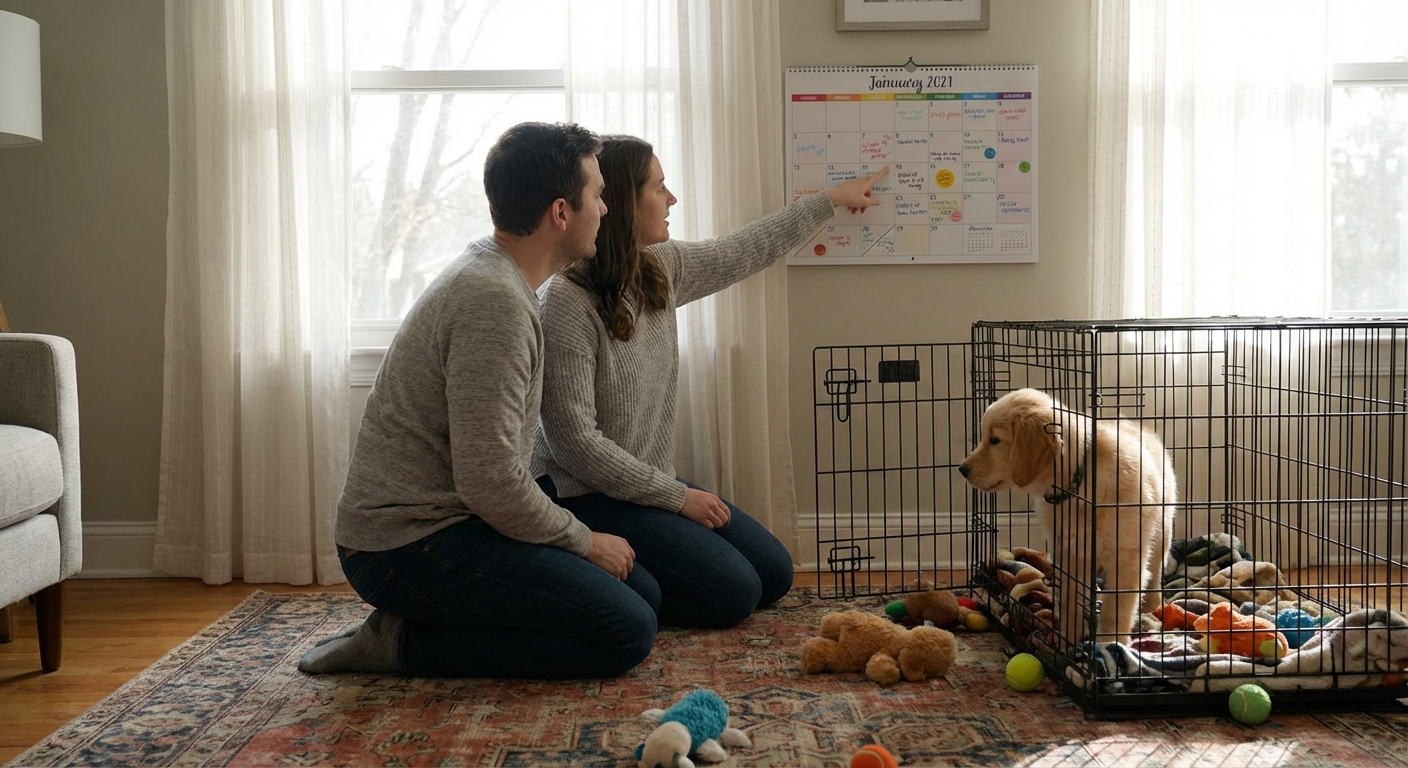
Creating a Sanctuary Room or Zone
For both dogs and cats, choose:
- A low-traffic, quiet area.
- A cozy, partially enclosed resting place (crate with cover, igloo bed, or box).
- Nearby access to food, water, and (for cats) a litter box.
Add:
- Pheromone diffusers (Adaptil for dogs, Feliway for cats).
- Soft background noise (fan or gentle music).
- Nightlights so they can move without startling.
Helpful Calming Products
Ask your vet about:
- Calming supplements containing L-theanine, alpha-casozepine, or casein.
- Anxiety wraps (like Thundershirts) for some dogs.
- Food puzzles and lick mats to encourage soothing, repetitive licking and foraging.
These are not cures, but supportive tools in a bigger picture of safety and patience.
The First Two Weeks: Connection Without Pressure
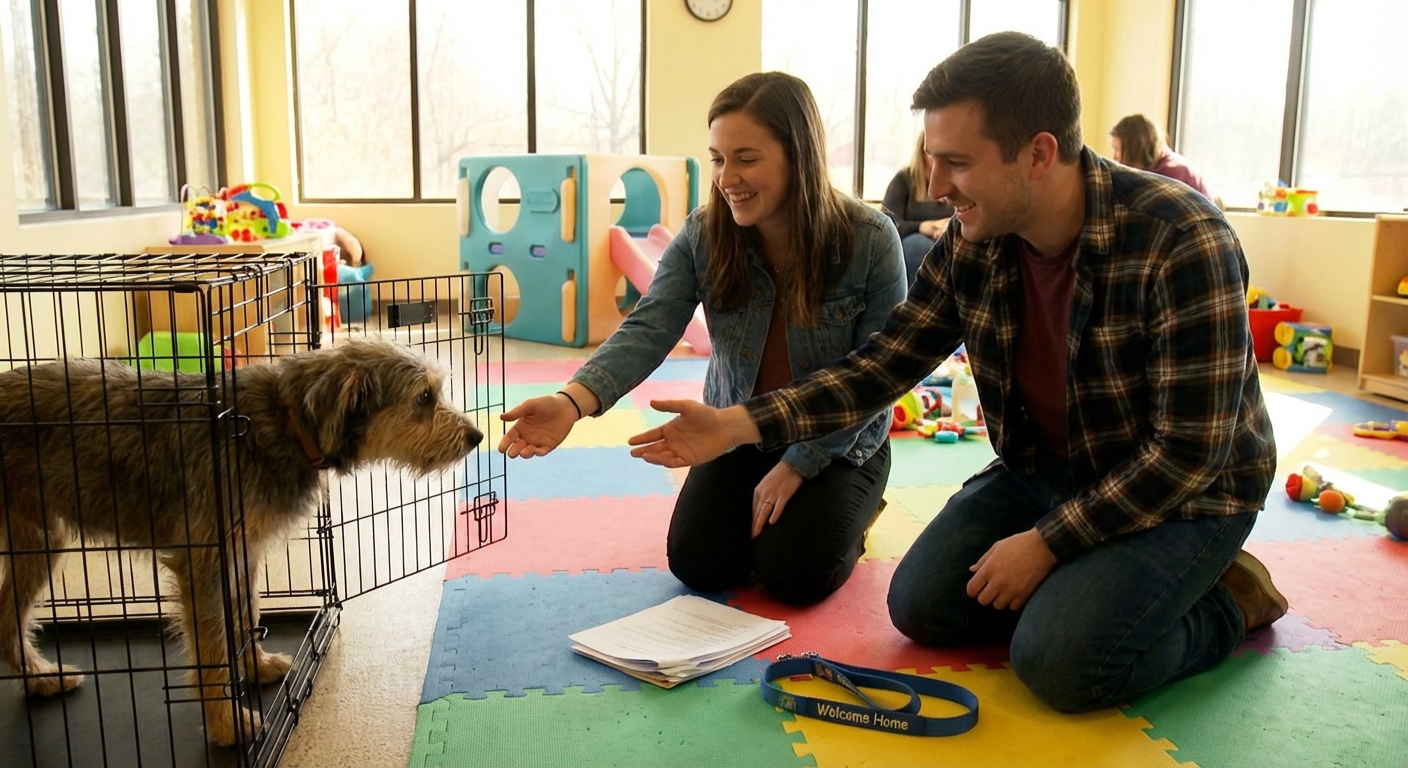
The “Let Them Come to You” Rule
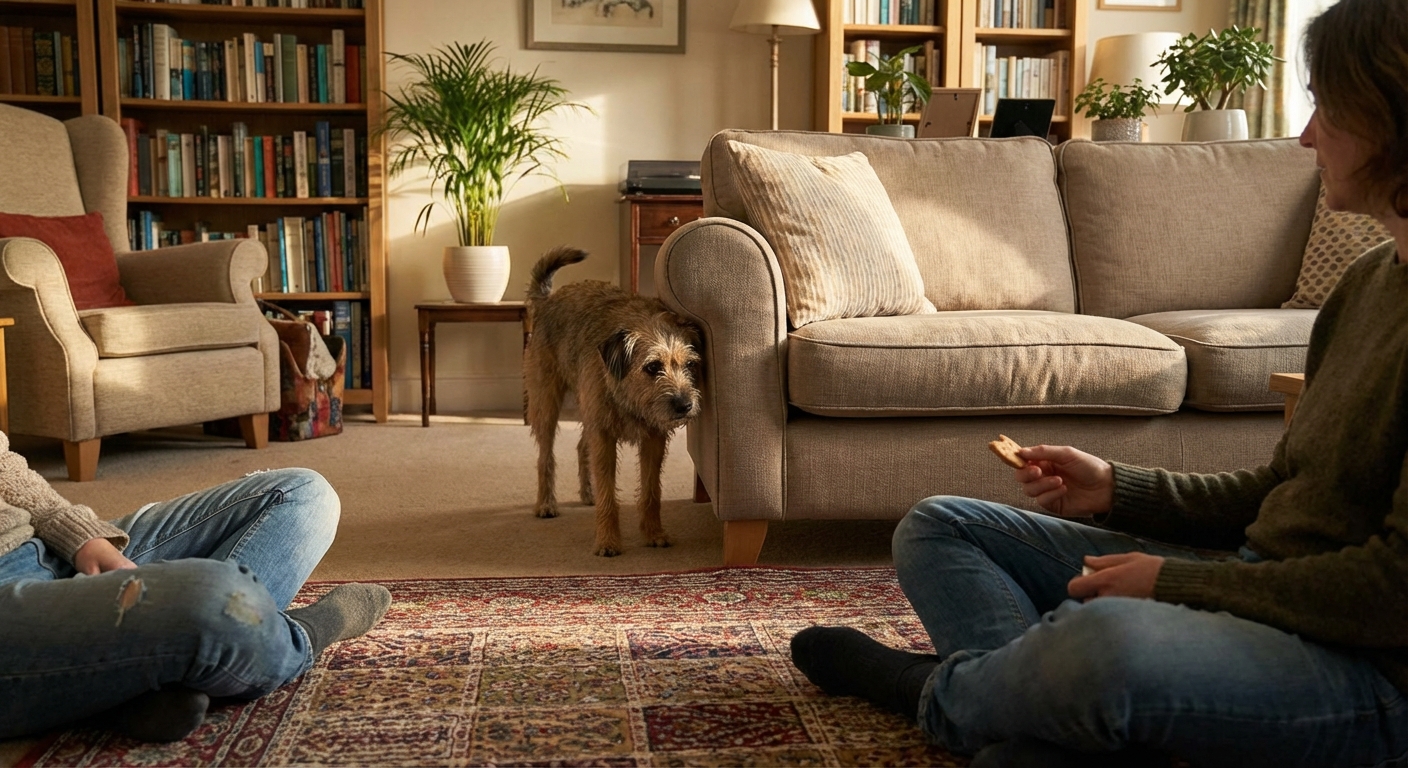
Sit on the floor or in a chair in their space and:
- Avoid staring directly at them (this can feel threatening).
- Turn your body slightly sideways or away.
- Scatter a few high-value treats closer to you, but not too close at first.
Your job is to be predictable, calm, and non-demanding.
Establishing Gentle Routines
- Feed at the same times each day.
- Speak softly when you enter the room and before you move.
- Move slowly—no sudden lunging to “show love.”
Reading Their Body Language
Approach only when you see:
- Soft eyes, slow blinks (cats).
- Loose body posture, gentle tail swishes or wags.
- They come at least halfway toward you.
If they retreat, back up a step in your approach. Their comfort sets the pace.
Gradual Exposure: Helping the World Feel Safer
Trauma-informed care relies on desensitization and counterconditioning—slow, positive exposure to previously scary things.
For Dogs
New Sounds (doorbell, traffic, vacuum):
- Play recordings at very low volume during treat time. - Gradually increase volume over days, always watching for signs of stress.
New People:
- Start with one calm visitor at a time. - Ask them to ignore the dog initially and toss treats gently sideways. - Allow the dog to approach or simply watch from a distance.
Outdoor Walks:
- Begin in the yard or quiet areas; keep walks short. - Use a well-fitted harness and possibly a double-clip leash for safety.
For Cats
New Rooms:
- Open doors gradually, one new space at a time. - Place familiar blankets or beds in new areas for scent continuity.
Play as Therapy:
- Use wand toys to mimic hunting from a comfortable distance. - Let them “win” by catching the toy to build confidence.
Visitors:
- Provide hideouts that aren’t under beds (boxes, covered beds). - Ask visitors to stay low and quiet, ignoring the cat unless approached.
Gentle Training for Confidence
Training is not just about obedience—it’s a powerful way to build self-assurance.
Core Principles
- Keep sessions short: 1–5 minutes.
- End on a success, even a tiny one.
- Use soft verbal markers (“yes”) and rewards.
Confidence-Building Exercises
For Dogs:
- Hand Targeting:
- Present your hand a few inches away.
- When they glance or move toward it, say “yes” and treat.
- Over time, reward gentle nose touches.
This teaches them that approaching you and reaching out is safe and rewarding.
- Mat Training:
- Place a comfy mat on the floor.
- Reward any interest (looking at, stepping on, lying down).
- The mat becomes a “safe zone” in new environments.
For Cats:
- Clicker or Marker Training:
- Mark and reward small, brave moments: looking at you, taking a step closer, touching a target stick.
- Builds a sense of control and predictability.
- Station Training:
- Teach them to sit or lie on a specific perch or bed for treats.
- Useful for peacefully managing doorbells or visitors.
When to Involve Professionals
Seeking help is a sign of commitment, not failure.
Contact a fear-free vet or certified behavior professional if:
- The pet won’t eat for 24+ hours (after arrival).
- You see aggression (growling, hissing, lunging, biting) that feels unsafe.
- They show self-harm behaviors (excessive licking, tail chewing, over-grooming).
- Their fear does not improve at all after several weeks of gentle care.
Ask specifically for force-free, fear-free, or positive reinforcement–based professionals. Punishment or harsh corrections can worsen fear and erode trust.
Heartwarming Ways to Support Healing
Progress with sensitive pets is often quiet and tender:
- A dog who used to flinch at touch now leans lightly into your hand.
- A cat who hid under the bed now naps in the doorway, watching you.
Celebrate these moments.
Daily Healing Rituals
- Bedtime check-ins: Sit quietly in their space, read or scroll your phone, and let them be near you by choice.
- Soft narration: Calmly describe what you’re doing (“I’m just getting your food now”). The predictability of your voice becomes a safety cue.
- Photo journal: Snap weekly pictures to notice subtle changes you might otherwise miss.
A Gentle Perspective for You, Too
Caring for a shy or traumatized pet can stir your own emotions—protectiveness, frustration, sadness for what they’ve endured. Remember:
- You are not responsible for their past.
- You are writing every line of their future.
Move at their pace. Rest when you need to. Reach out for help. Over time, their circle of safety will expand—from a corner of the room, to the whole house, to the world beside you.
One day, you’ll realize they’re no longer the pet who hides behind the couch. They’re the companion who chooses your side of the sofa, who follows you from room to room—not because they have to, but because, finally, they want to.
That’s the quiet miracle of adopting a sensitive soul.
Key Takeaway
The most important thing to remember from this article is that this information can change how you think about Adoption Tips.