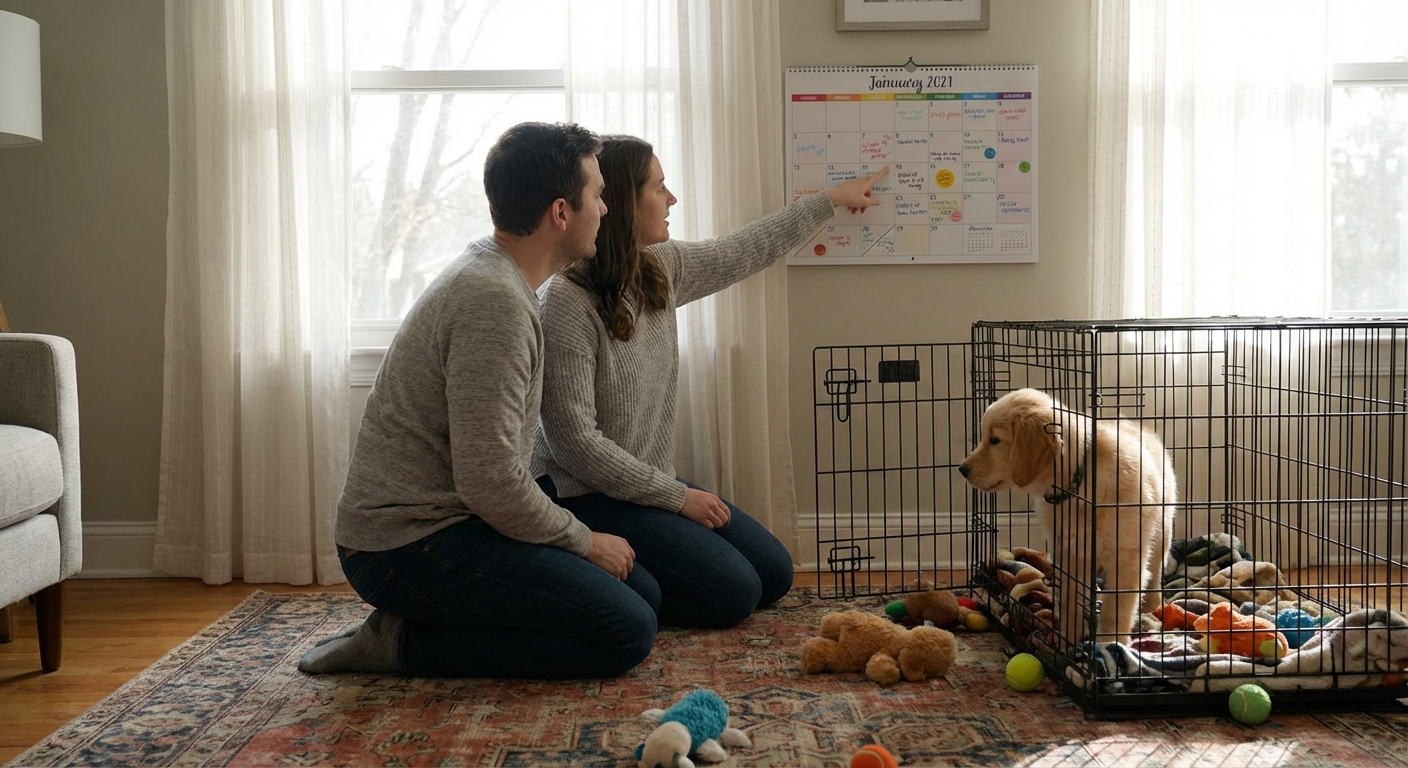
Long before you fall for a pair of hopeful eyes, the most important work of adoption happens in your mind, your calendar, and your budget. Many returns to shelters happen not because people don’t care, but because they underestimated what daily life with a new pet truly involves.
Adoption Starts Before You Meet the Pet
This guide blends research, emotional realities, and practical tools to help you answer a loving but honest question: Am I ready to adopt right now—and if so, what kind of pet fits my life best?
Section 1: Emotional Readiness – Your Heart’s Checklist
1. Can You Commit for the Long Haul?
Dogs often live 10–15 years; cats can live 15–20+. Think about:
- Possible moves or job changes.
- Family plans (children, caring for aging relatives).
- Stability of your support network.
Ask yourself: If my life looks very different five years from now, can I still care for this pet?
2. How Do You Handle Frustration and Setbacks?
Research on owner–pet relationships shows that people who view problems as trainable challenges (rather than personal failures) are more likely to keep pets long-term.
Reflect on:
- How you respond when house projects go wrong.
- Whether you’re open to learning new skills (like training or enrichment games).
- Your comfort asking for help from professionals.
3. Are You Grieving Another Pet?
Adopting after loss can be profoundly healing—but also emotionally complex.
You may be ready if:
- You can think about a new pet as a different individual, not a replacement.
- You feel able to meet this animal where they are, not where your previous companion was.
If the idea of loving another pet makes you feel mainly guilt or anger, giving yourself more time is an act of kindness—for you and any future animal.
Section 2: Time and Lifestyle – The Daily Life Reality Check
1. Your Weekly Time Budget
Use this quick exercise.
Step 1: On a sheet of paper, list your weekly commitments: work, commuting, caregiving, chores, sleep, hobbies.
Step 2: Estimate how many hours per day you can reliably give to a pet (not just on your best days).
As a reference:
- Dogs generally need:
- 1–2 hours of combined walking, play, and training daily (more for young and high-energy breeds).
- Short potty breaks spaced throughout the day.
- Cats generally need:
- 20–60 minutes of interactive play and engagement.
- Litter box cleaning at least once daily.
2. Match Energy Levels, Not Just Species
Behavior studies emphasize that energy mismatch—not size or breed alone—is a major reason for behavior concerns.
- If you love hiking and jogging → active, resilient dogs or confident, adventurous cats.
- If you prefer quiet evenings and reading → adult or senior pets with a calm temperament.
Shelter staff can help; describe your everyday life honestly.
Section 3: Financial Readiness – The Honest Numbers
1. The Start-Up Costs
Approximate ranges (these vary by region):
- Adoption fee: $50–$500.
- Initial vet visit and vaccines: $100–$300.
- Basic supplies (bed, bowls, leash, litter box, carrier, toys): $150–$400.
2. Ongoing Monthly Costs
- Quality food:
- Cats/small dogs: $25–$50.
- Medium/large dogs: $40–$100+.
- Preventive care (flea/tick/heartworm for dogs; flea/tick for cats): $20–$50.
- Litter (cats): $15–$30.
- Pet insurance (optional but recommended): $20–$60.
Make a simple spreadsheet or list and compare it with your current budget. If the numbers feel tight, consider waiting and saving a small “pet fund” first.
Section 4: Home Readiness – Environment and Safety
1. Housing Rules and Stability
- Check leases or HOA rules about pets, breed or weight restrictions, and deposits.
- Consider how often you move—frequent relocations may add stress and cost.
2. Safety Checklist
- Secure trash and food storage.
- Hide or cover electrical cords.
- Remove toxic plants (lilies for cats; sago palm, some philodendrons, etc.).
- Use baby gates or closed doors to manage access.
3. Space Considerations
You don’t need a huge house to be a wonderful adopter. Pets care more about predictability and engagement than square footage. That said:
- Busy households may be overwhelming for very shy animals.
- Studio spaces can suit cats and small dogs well, with vertical enrichment and daily walks.
Section 5: Matching Pet Types to Your Reality
Below are broad, compassionate guidelines—not rigid rules.
Great If You Have Limited Time but a Caring Heart
- Adult cat or bonded senior pair: lower training needs, deeply appreciative of routine.
- Senior dog: shorter walks, more cuddle time, may have predictable habits.
Great If You Have Extra Time, Patience, and Energy
- Puppies and kittens: need intensive training, socialization, and supervision.
- High-energy dogs: ideal for runners, hikers, or very active families.
Great If You Have Experience or Are Willing to Work Closely with Pros
- Pets with known behavior needs (fearful, under-socialized, or with a bite history).
- Medical special-needs pets (e.g., diabetes, mobility issues).
You don’t have to be a specialist to help, but you do need time, emotional bandwidth, and professional support.
Section 6: A Self-Assessment Quiz (Keep It Gentle)
Score each from 1 (not at all true) to 5 (very true):
- I can reliably spend at least 1–2 hours daily on pet care and engagement.
- I have funds for adoption, supplies, and a first vet visit.
- My housing allows pets, now and for the foreseeable future.
- I’m comfortable asking for help from vets or trainers.
- I understand that training and adjustment take months, not days.
- I can accept this pet as an individual, not an ideal.
- Other people in my home are supportive and on board.
- 28–35: You’re likely ready now—focus on choosing the right match.
- 18–27: You may be ready with a lower-need pet (e.g., adult cat or calm senior dog).
- Below 18: Consider fostering, volunteering, or planning for a later adoption.
If You’re Not Ready Yet
You can still save lives:
- Foster: short-term care helps shelters tremendously and gives you real-life experience.
- Volunteer: walk dogs, socialize cats, help at events.
- Sponsor a pet: cover medical or adoption fees.
Taking time to prepare doesn’t make you less loving—it makes you one of the most thoughtful kinds of pet parent.
If You Are Ready
Walk into the shelter knowing you’ve done your homework. Ask questions. Listen to the staff who know these animals. Trust that the pet who ends up beside you—nervous, hopeful, imperfect—needs exactly what you’re learning to give: consistent care, patience, and a home where they’re cherished for who they are.
Adoption isn’t about being a perfect person; it’s about being willing to show up, learn, and keep choosing your pet, day after day. If that sounds like you, your future companion is incredibly lucky.
Key Takeaway
The most important thing to remember from this article is that this information can change how you think about Adoption Tips.