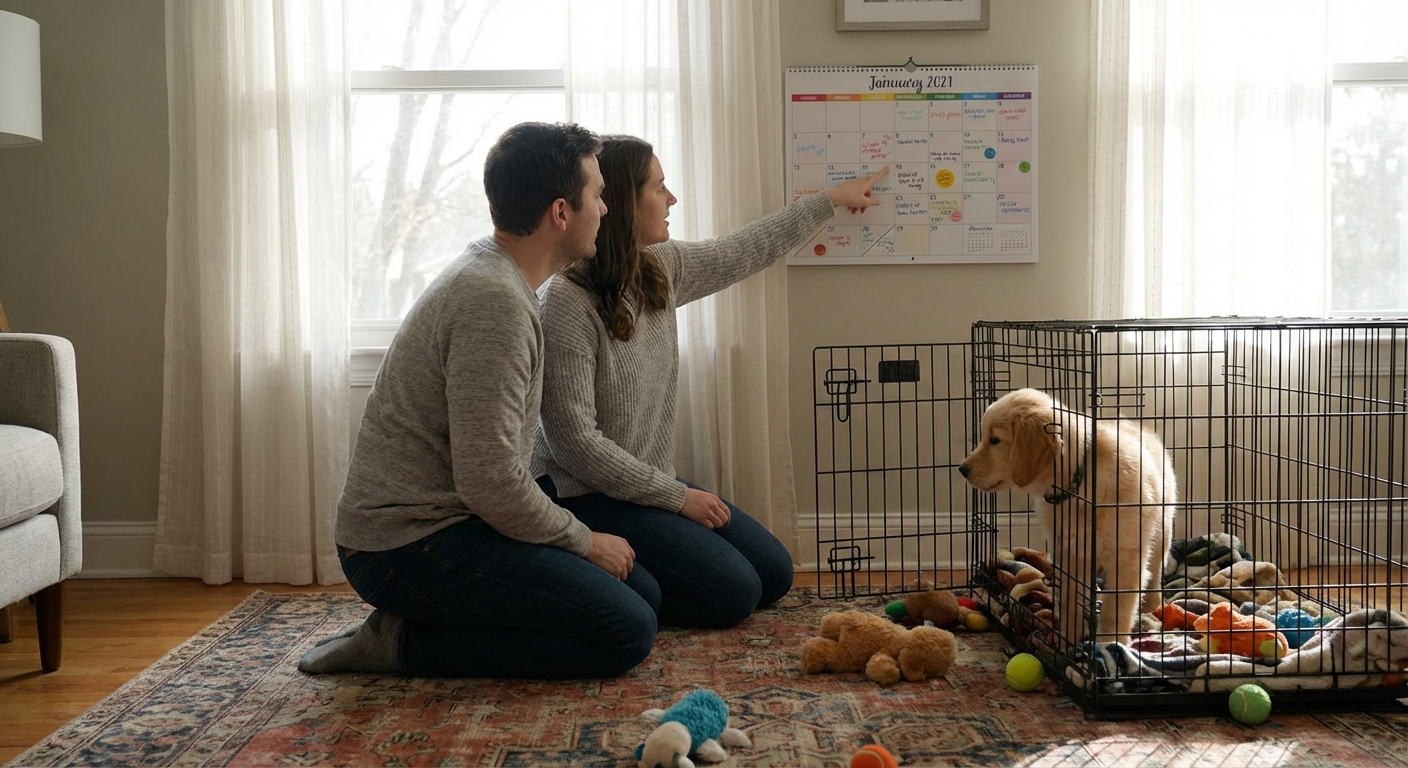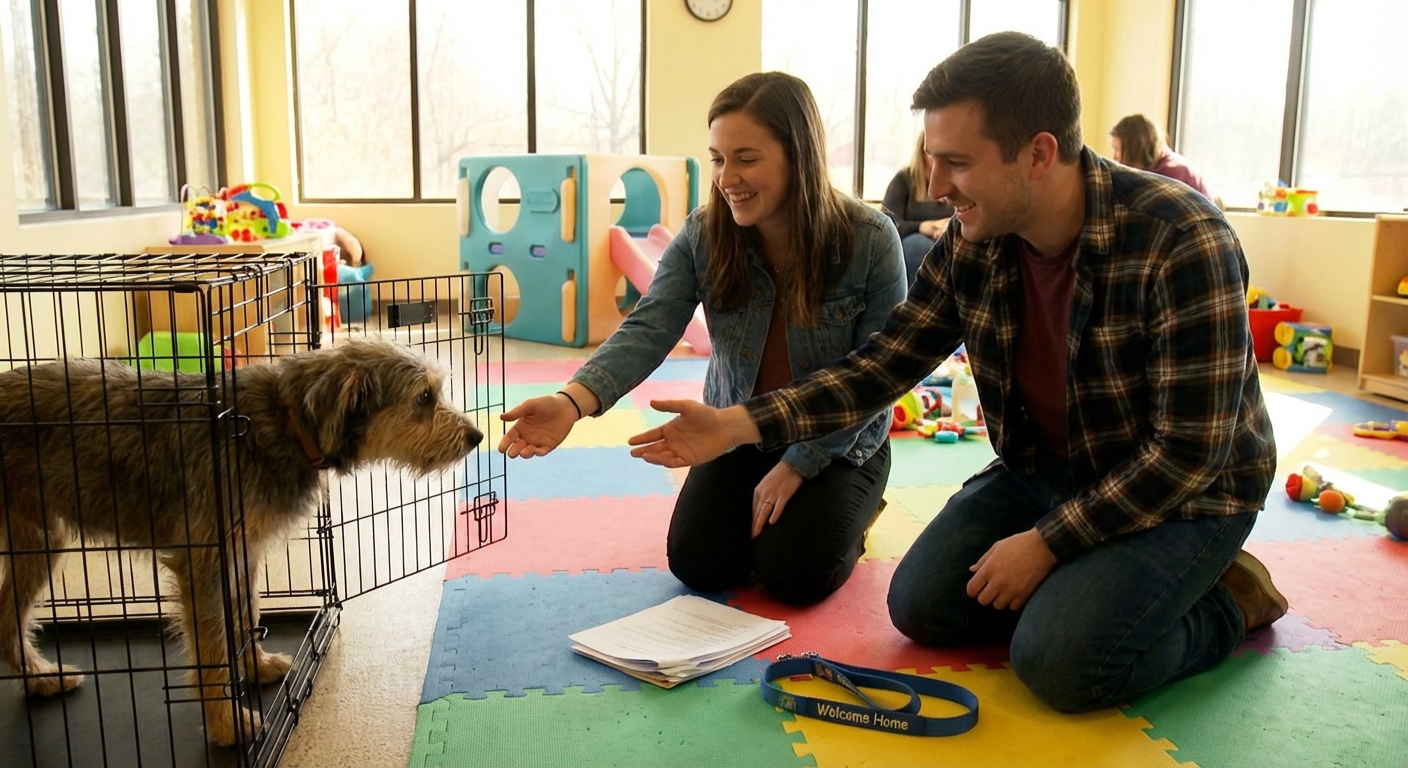
Adopting a pet is more than choosing a cute face—it’s entering a long-term relationship that reshapes your home and your routine. Research shows that the first 3 months after adoption are critical for bonding, behavior, and health outcomes. When families plan ahead, they’re less likely to return pets to shelters and more likely to report strong, secure attachments.
Why Thoughtful Adoption Matters
This roadmap walks you through the journey—from choosing the right pet to settling them in—using science-backed guidance and gentle, practical steps.
Step 1: Clarify Your Lifestyle and Expectations
Before you visit a shelter, take a quiet moment to reflect:
Key Questions to Ask Yourself
How active am I, realistically?
Studies show dogs with unmet exercise needs are more likely to develop destructive behaviors and anxiety. If you’re sedentary or work long hours, a high-energy herding breed may struggle.
What’s my schedule like?
- Puppies and kittens need frequent feeding, training, and socialization. - Adult and senior pets often adapt more easily to predictable routines.
Who lives in my home?
Consider allergies, young children, elderly family members, and existing pets.
What are my long-term plans?
Pets can live 10–20+ years. Think about housing stability, career changes, and family growth.
Write your answers down; they’ll guide you when emotions run high at the shelter.
Step 2: Choose the Right Shelter or Rescue
A reputable organization supports both you and the animal long-term.
Signs of a Responsible Shelter or Rescue
- Health protocols: Vaccinations, deworming, spay/neuter, and clear medical records.
- Behavior assessments: Basic temperament evaluations and honest notes about quirks or challenges.
- Adoption counseling: Staff ask about your lifestyle and help find a good match.
- Post-adoption support: Willingness to answer questions after you bring your pet home.
Red Flags
- Pressure to adopt the same day without proper screening.
- Unwillingness to share medical or behavioral history.
- Overcrowded, unsanitary conditions.
Step 3: Matching the Right Pet to Your Home
Age Considerations
- Puppies/Kittens:
- Pros: Highly adaptable, trainable, great for families ready for active involvement.
- Cons: Requires intensive training, housebreaking, and socialization.
- Adult Pets:
- Pros: More predictable temperament and size, often house-trained.
- Cons: May come with past experiences that need gentle, patient handling.
- Senior Pets:
- Pros: Generally calmer, wonderful for lower-activity homes; deeply grateful companionship.
- Cons: Higher potential for medical needs, but many are easily manageable with routine care.
Personality Over Appearance
Evidence in animal behavior research confirms that temperament and environmental fit matter far more than breed labels alone. Ask about:
- Energy level
- Social comfort with people and other animals
- Response to handling
- History of fear or reactivity
Spend time in a quiet room with the pet if possible. Look for relaxed body language: soft eyes, loose tail, and willingness to approach.
Step 4: Prepare Your Home Before Adoption Day
Set your new companion up for success by prepping in advance.
Create a Safe Base Camp
Designate a low-traffic, calm area as your pet’s first “home inside your home.” This reduces stress and prevents overwhelm.
- For dogs: A crate or exercise pen with a bed, water, and safe chew toys.
- For cats: A cozy room with litter box, food, water, scratching post, and hiding spots (e.g., a covered bed or cardboard box).
Shopping List: Science-Backed Essentials
For Dogs:
- Adjustable harness and sturdy leash
- ID tags and, ideally, microchip registration
- Slow-feed bowl (helps digestion and reduces gulping)
- Enrichment toys (KONG-style food puzzles, lick mats)
- High-value training treats (soft, pea-sized)
- At least one litter box per cat, plus one extra
- Clumping, unscented litter (most cats prefer low-scent substrates)
- Vertical spaces (cat tree, window perches)
- Interactive toys (wand toys, food puzzles)
- Scratching surfaces (both horizontal and vertical)
- Pheromone diffusers (e.g., Adaptil for dogs, Feliway for cats) to reduce stress.
- White noise machine to muffle outdoor triggers in busy neighborhoods.
- Baby gates to control access and prevent overwhelming exploration.
For Cats:
Helpful Products Backed by Behavior Science
Step 5: Adoption Day – The Calm, Quiet Welcome
Transport with Care
- Use a secured crate for cats and small dogs.
- For medium/large dogs, use a crash-tested harness with seat belt attachment.
- Keep the ride calm and quiet; soft music can help.
First 24 Hours: Less Is More
- Go straight home—skip the pet store, park, or meet-and-greets.
- Keep voices gentle and movements slow.
- Allow your pet to explore one area at a time; don’t force interaction.
- 3 days to decompress
- 3 weeks to learn the routine
- 3 months to feel truly at home
Use the “Rule of Three” as a gentle guideline:
Step 6: Establish Routines and Boundaries
Animals thrive on predictability. Studies on shelter dogs show that consistent routines lower stress hormones like cortisol.
Daily Rhythm
- Feeding: Same times each day; stick to the current food for at least 7–10 days before slowly transitioning if needed.
- Toileting: Regular outdoor breaks for dogs; keep litter boxes in quiet, accessible areas for cats.
- Sleep: Respect their rest. Many newly adopted pets sleep more as they recover from shelter stress.
Setting Boundaries Gently
- Use management tools: baby gates, closed doors, crates, pens.
- Reward desired behaviors: calm sitting, quiet resting, gentle play.
- Avoid punishment; it increases fear and can damage trust.
Step 7: Schedule Veterinary and Behavior Support Early
Within the first week or two:
- Book a full vet exam: vaccines, parasite check, baseline bloodwork (especially for seniors).
- Discuss nutrition (calories, appropriate diet type) and preventive care (flea, tick, heartworm).
- Ask for recommendations for fear-free or positive reinforcement–based trainers.
When to Seek Extra Help
Contact a vet or behavior professional if you notice:
- Persistent hiding or shutting down
- Aggression toward people or pets
- No eating or drinking for 24+ hours
- Diarrhea, vomiting, or coughing
Early support prevents small issues from becoming overwhelming.
Step 8: Nurture the Bond
The most rewarding part of adoption is watching trust bloom.
Heartwarming Bonding Rituals
- Sniff walks for dogs: Let them guide the pace and direction; sniffing lowers heart rate and provides mental enrichment.
- Play therapy for cats: Short, daily play sessions mimicking hunting (stalk–chase–pounce) followed by a small snack.
Simple Daily Connection Practices
- Talk softly while you prepare meals.
- Sit on the floor at their level and let them approach.
- Keep training sessions short (3–5 minutes) and positive.
Remember: progress isn’t linear. Celebrate tiny steps—an anxious dog taking a treat, a shy cat choosing to nap near you. These are milestones of trust.
Final Thoughts
Thoughtful adoption turns a life-saving act into a lasting partnership. With preparation, patience, and evidence-based care, your home becomes more than a new address—it becomes a genuine safe haven. Go slowly, stay curious about your pet’s needs, and you’ll be building a bond that keeps deepening for years to come.
Key Takeaway
The most important thing to remember from this article is that this information can change how you think about Adoption Tips.