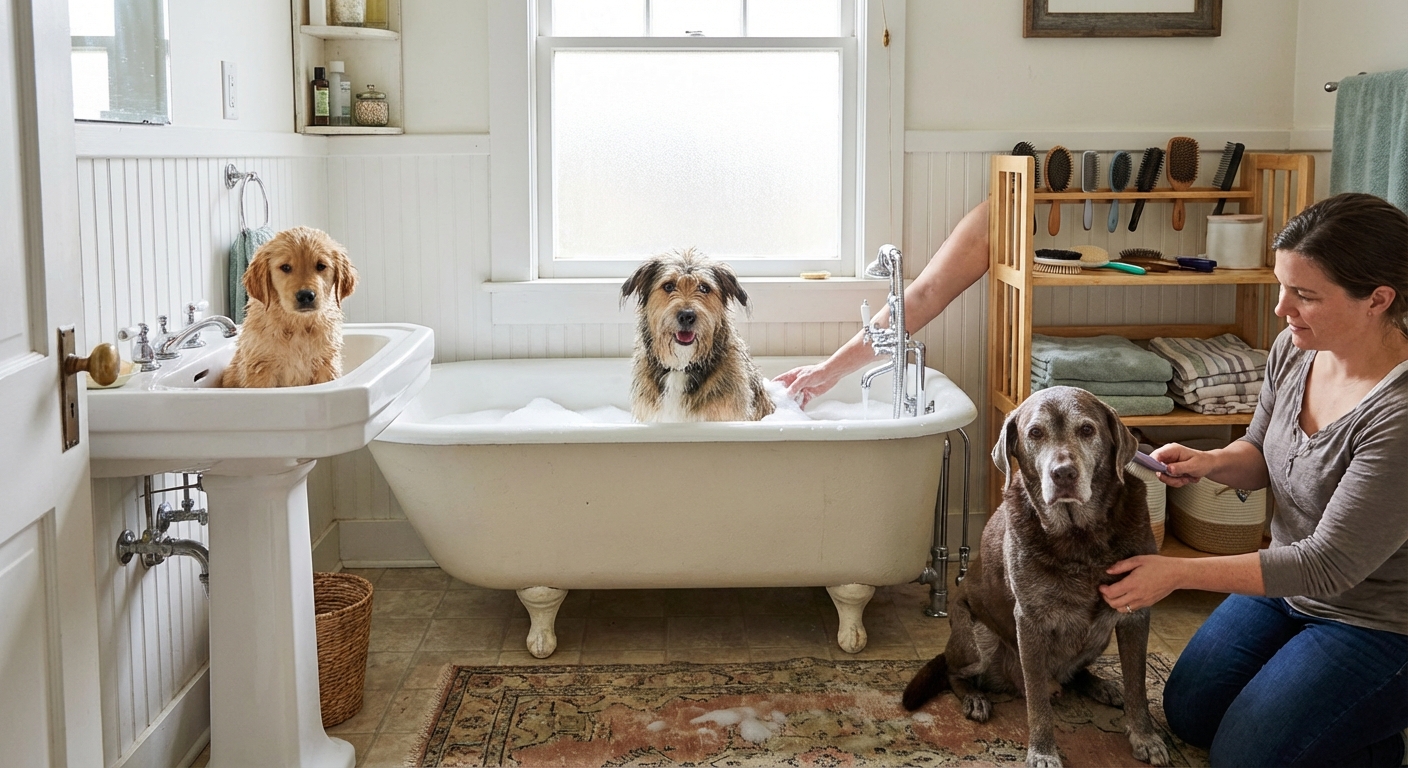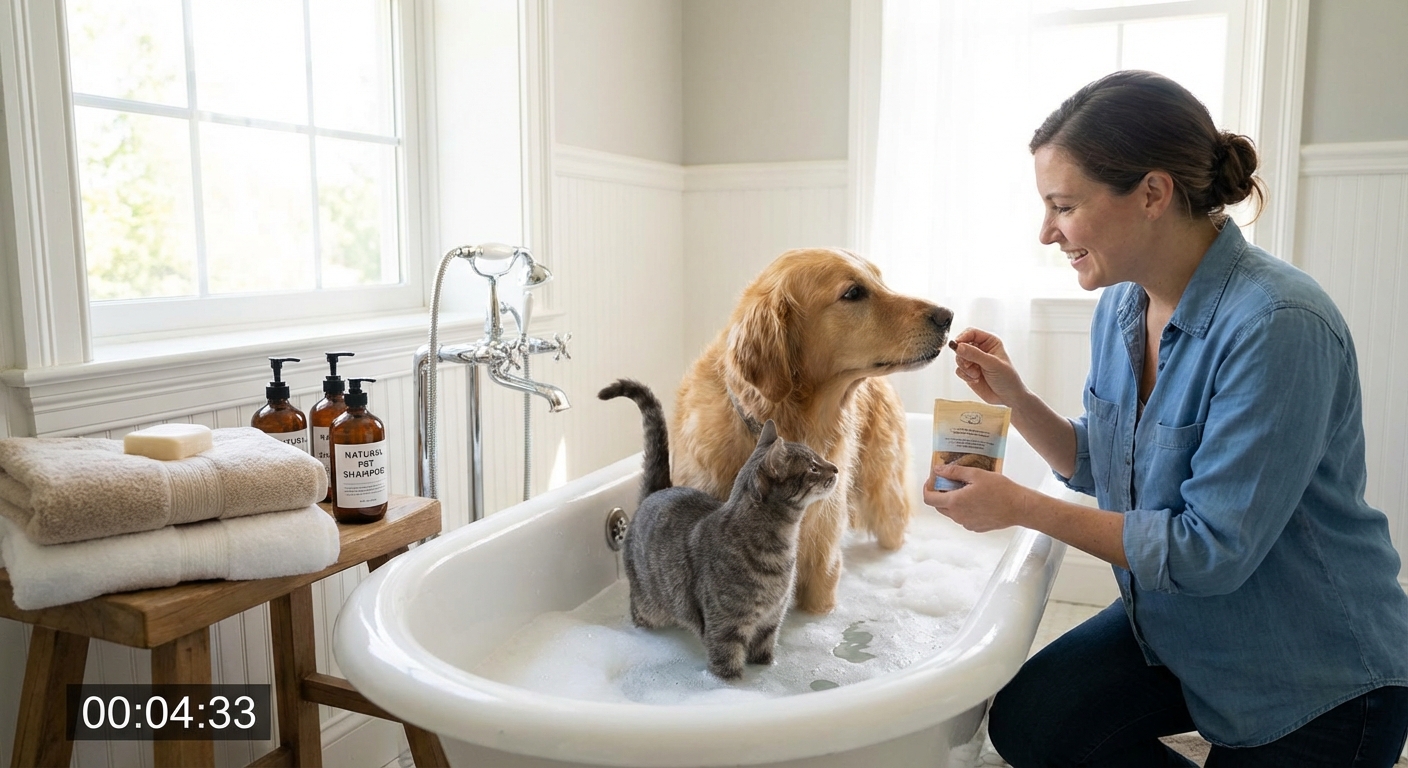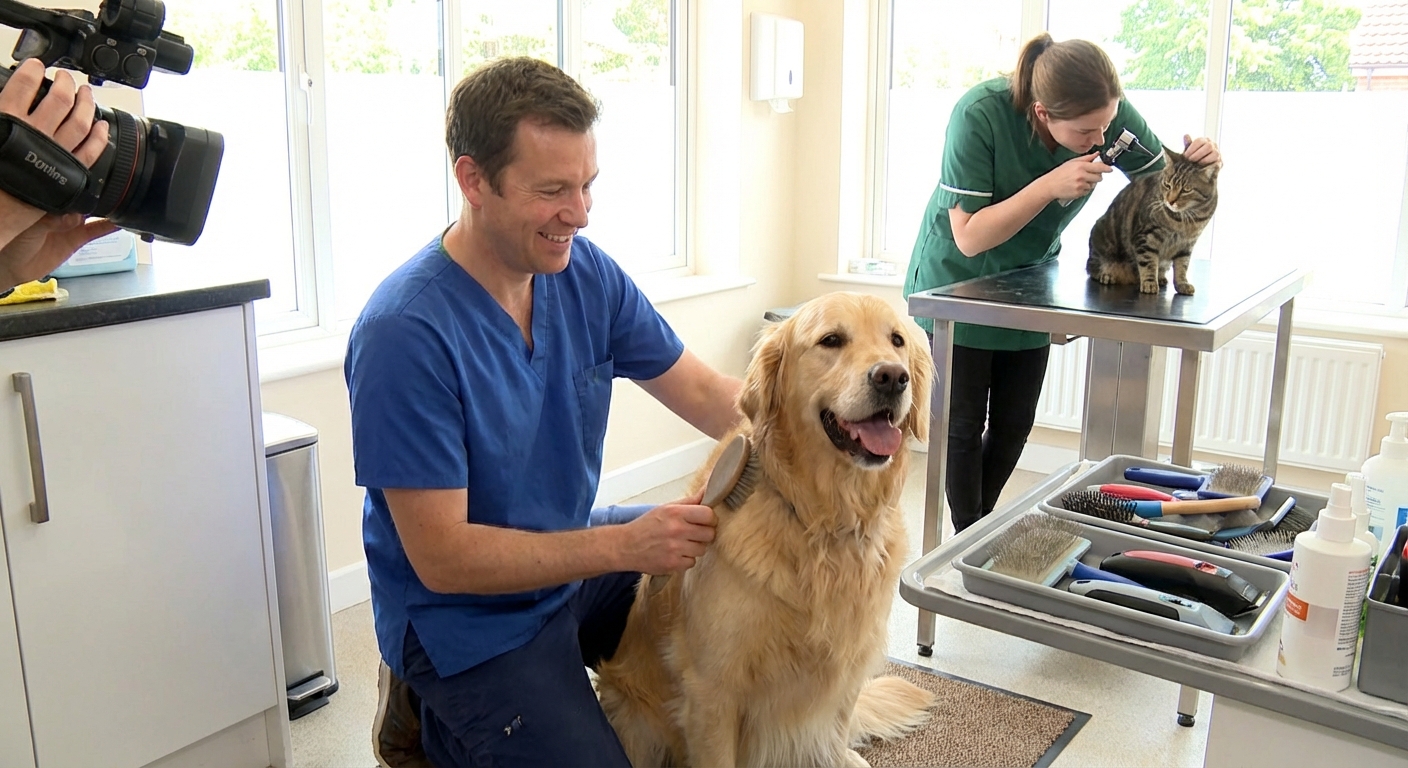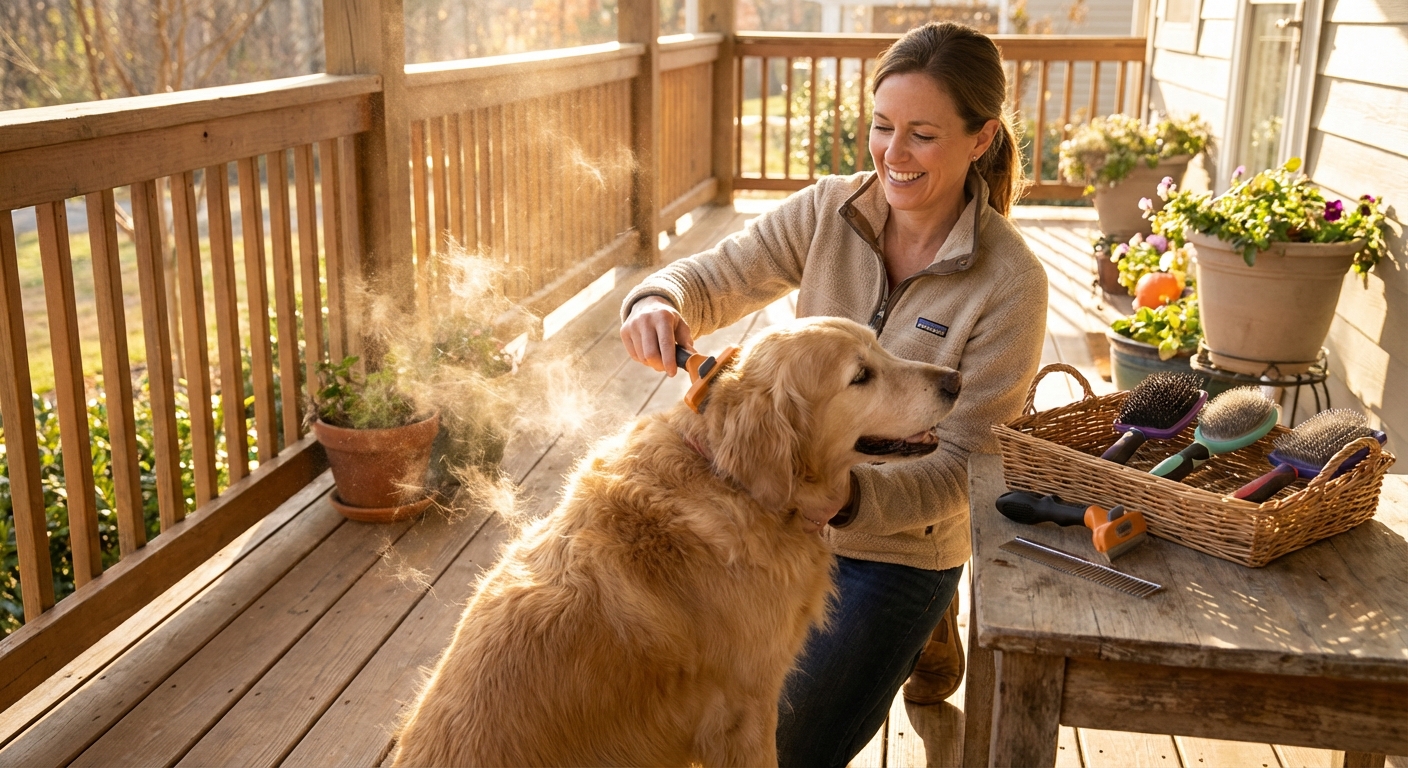
Regular brushing is one of the simplest, most powerful grooming habits you can build.
Why Brushing Matters More Than You Think
It does more than reduce shed hair on your couch. Brushing:
- Distributes natural skin oils for a healthier, shinier coat
- Stimulates circulation at the skin’s surface
- Removes loose fur, dander, and environmental allergens
- Helps prevent painful mats and skin infections
- Gives you a chance to spot ticks, fleas, or unusual lumps early
Dermatology studies in dogs and cats show that consistent mechanical removal of loose hair can significantly reduce mat‑related dermatitis and hot spots.
This guide walks you through coat types, tools, and step‑by‑step methods so brushing becomes a calm, nurturing ritual instead of a wrestling match.
Step 1: Identify Your Pet’s Coat Type
Understanding your pet’s coat will help you choose the right tools and routine.
1. Short & Smooth Coats
Examples: Beagle, Boxer, Pit Bull, many domestic short‑hair cats.
- Lie close to the body, minimal feathering
- Shed regularly but don’t mat easily
2. Double Coats
Examples: German Shepherd, Husky, Golden Retriever, many Spitz breeds.
- Soft dense undercoat + harsher topcoat
- Heavy shedding, especially seasonally
3. Long & Silky Coats
Examples: Shih Tzu, Maltese, Yorkshire Terrier, Persian cats.
- Longer strands, easily tangle
- High matting risk if not brushed frequently
4. Curly & Wool Coats
Examples: Poodles, Doodles, Bichons.
- Curls or dense waves that trap shed hair
- Minimal shedding, but severe mat risk
5. Wire & Broken Coats
Examples: Schnauzer, some Terriers.
- Coarse texture, may require hand‑stripping for show dogs
Most mixed‑breed pets have a combination; when in doubt, ask your vet or groomer for guidance.
Step 2: Choose the Right Brushing Tools
The wrong tool can be uncomfortable, even painful. The right one makes brushing more like a massage.
For Short & Smooth Coats
- Rubber curry brush or grooming mitt: Gently loosens fur and massages skin.
- Soft bristle brush: Finishes and distributes oils.
For Double Coats
- Undercoat rake: Reaches dense undercoat to remove shed fur.
- Slicker brush (with rounded tips): Detangles and smooths topcoat.
- Wide‑tooth comb: Checks for remaining tangles in friction areas.
For Long & Silky Coats
- Pin brush (with cushioned base): Everyday detangling.
- Wide‑tooth metal comb: Essential for reaching the hair near the skin.
- Detangling spray (pet‑safe): Reduces breakage and discomfort.
For Curly & Wool Coats
- Slicker brush: Lifts and separates curls.
- Stainless steel comb: Ensures there are no hidden mats at the base.
For Wire Coats
- Slicker brush or pin brush: Daily care.
- Stripping knife or stone (for show coats): Often best left to pros.
Step 3: How Often Should You Brush?
Dogs:
- Short coat: 1–2× per week
- Double coat: 3–4× per week; daily during shedding seasons
- Long/silky: Daily
- Curly/wool: Daily to every other day
Cats:
- Short‑hair: 1–2× per week
- Long‑hair: 3–7× per week
Remember: these are starting points. Pets with allergies, skin issues, or outdoor lifestyles may need more frequent care.
Step 4: Step‑by‑Step Brushing Routines by Coat Type
A. Short & Smooth Coats
Goal: Remove loose hair and dander, add shine.
- Start with a rubber curry in circular motions, moving in the direction of hair growth.
- Use light pressure; watch your pet’s body language for signs of discomfort.
- Follow with a soft bristle brush in long strokes.
- Wipe with a slightly damp microfiber cloth for extra polish.
Time: 5–10 minutes, 1–2× weekly.
B. Double Coats
Goal: Remove dead undercoat to prevent matting and overheating.
- Begin with an undercoat rake on a dry coat.
- Work in small sections from neck to tail, then down the sides.
- Use short, gentle strokes, letting the tool glide—never dig into the skin.
- Switch to a slicker brush to smooth and lift remaining loose hair.
- Finish with a comb behind ears, under collar area, armpits, and tail base.
Avoid over‑using harsh de‑shedding tools; too much pressure can damage the coat.
C. Long & Silky Coats
Goal: Prevent and gently remove tangles.
- Lightly mist a detangling spray to reduce static and breakage.
- Start at the ends of the hair with a wide‑tooth comb, working upward toward the skin.
- Hold the hair above the tangle to reduce pulling on the skin.
- Once tangle‑free, use a pin brush from roots to ends.
- Pay special attention to armpits, behind ears, under harness straps, and between hind legs.
For pets with very long coats, consider a manageable “pet trim” length to reduce discomfort.
D. Curly & Wool Coats
Goal: Prevent mats and maintain ventilation to the skin.
- Use a slicker brush in a lifting motion: brush up and out from the skin.
- Work in layers—lift a section of hair and brush the lower layer first, then the top.
- Follow with a comb; if the comb can’t pass smoothly to the skin, keep working gently.
- Never bathe a curly‑coated pet with mats—water tightens mats and makes them worse.
Consistency is crucial. Even with at‑home care, curly coats often need professional grooming every 4–8 weeks.
Handling Mats with Compassion
Mats can be very painful and tug on the skin whenever your pet moves.
Do:
- Work slowly with a detangling spray and your fingers.
- Use a mat splitter or small comb to break large mats into smaller sections.
- Support the base of the mat with your fingers to minimize pulling.
Don’t:
- Don’t use scissors close to the skin—many pets end up in emergency clinics this way.
- Don’t try to brush out extremely tight, felted mats; shaving by a professional groomer under vet supervision may be the kindest option.
If your pet seems unusually sensitive to brushing, ask your vet to rule out skin disease or pain.
Product Suggestions (Principles, Not Brands)
When choosing brushes and deshedding tools, look for:
- Rounded pins or teeth to protect the skin
- Cushioned bases that flex with your pet’s body
- Comfortable, non‑slip handles for you
Detangling sprays should be:
- Specifically labeled for pets
- Free from strong perfumes and alcohol (which can dry the coat)
For sensitive pets, introduce one new tool at a time and pair it with treats.
Turning Brushing into a Heartfelt Ritual
Brushing doesn’t need to be a chore your pet dreads. With a few adjustments, it can become a soothing routine you both look forward to.
- Choose a quiet space. Avoid high‑traffic, noisy spots.
- Pair with something pleasant. A favorite blanket, calming music, or a licking mat can help.
- Talk softly. Your voice is a powerful signal of safety.
- Respect no‑go zones. If your pet dislikes certain areas, start where they’re comfortable and slowly build trust.
- Celebrate small steps. Even two calm brush strokes are a victory with an anxious pet.
Every stroke of the brush is a moment of connection and care. Over weeks and months, this simple ritual tells your pet, over and over: you’re safe, you’re loved, and your comfort matters here.
Key Takeaway
The most important thing to remember from this article is that this information can change how you think about Grooming Guides.