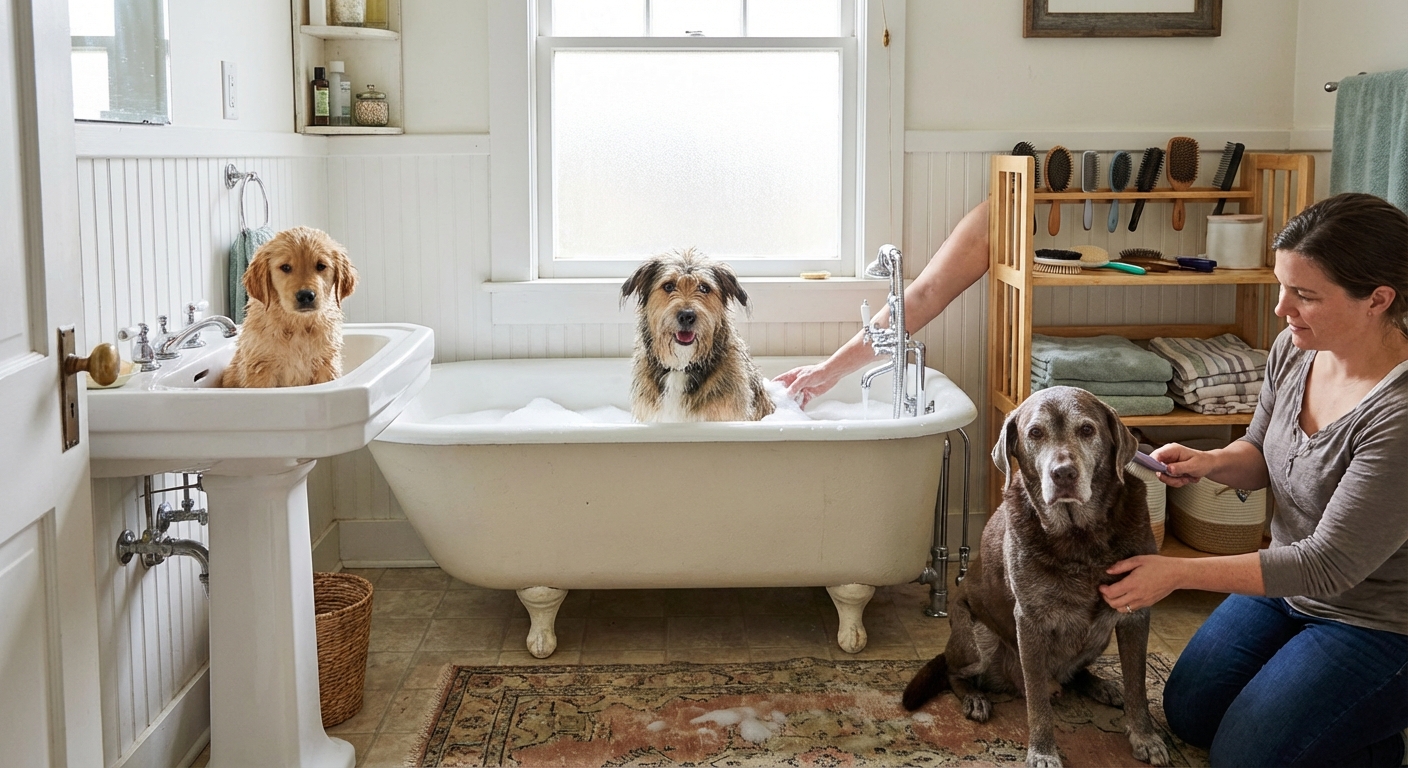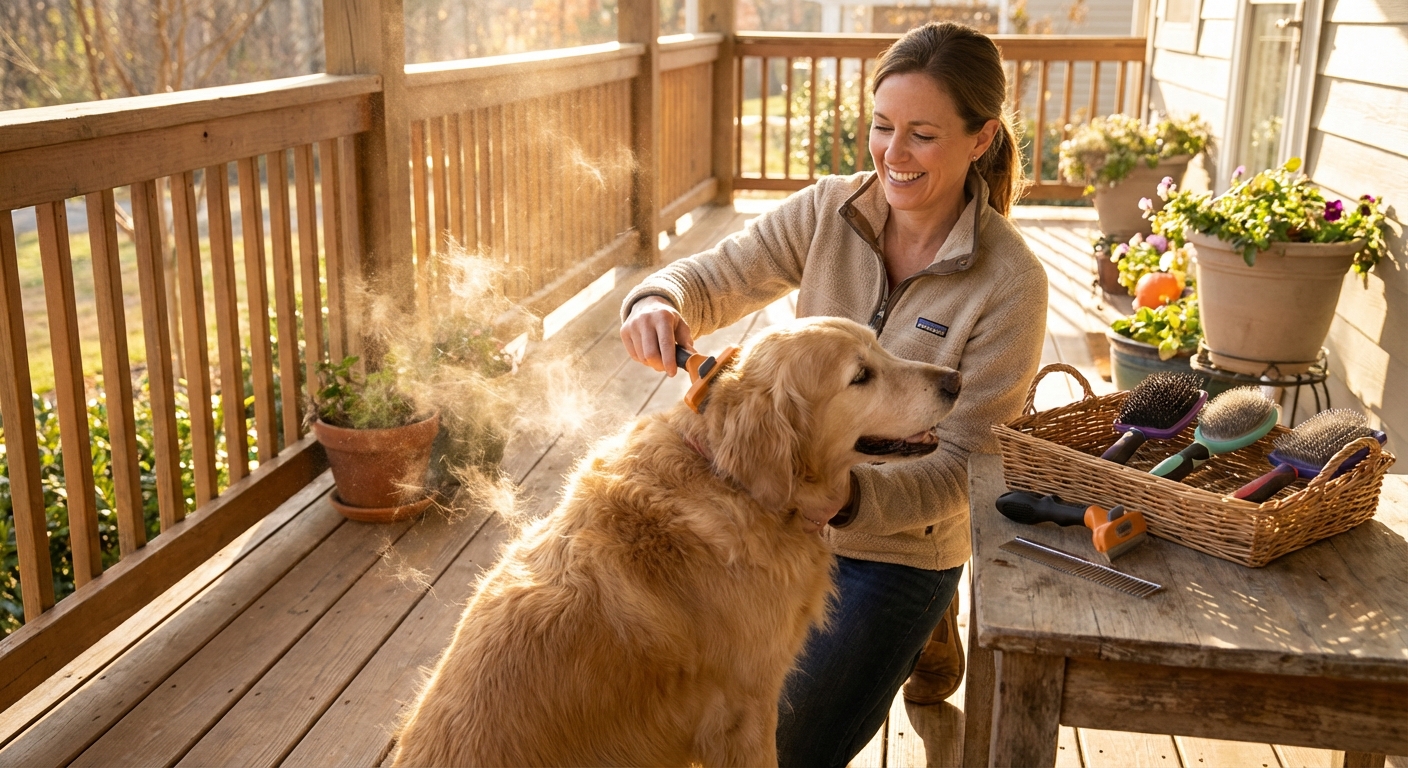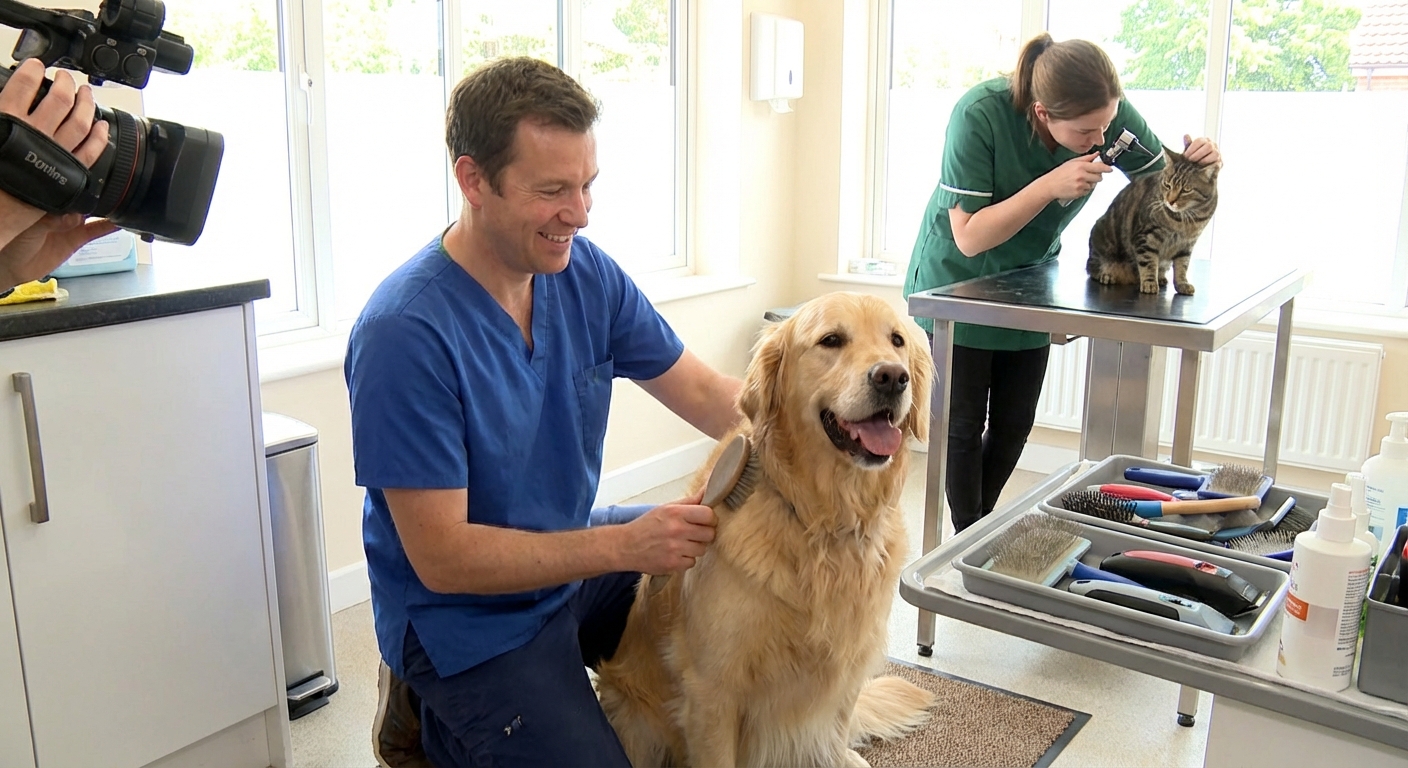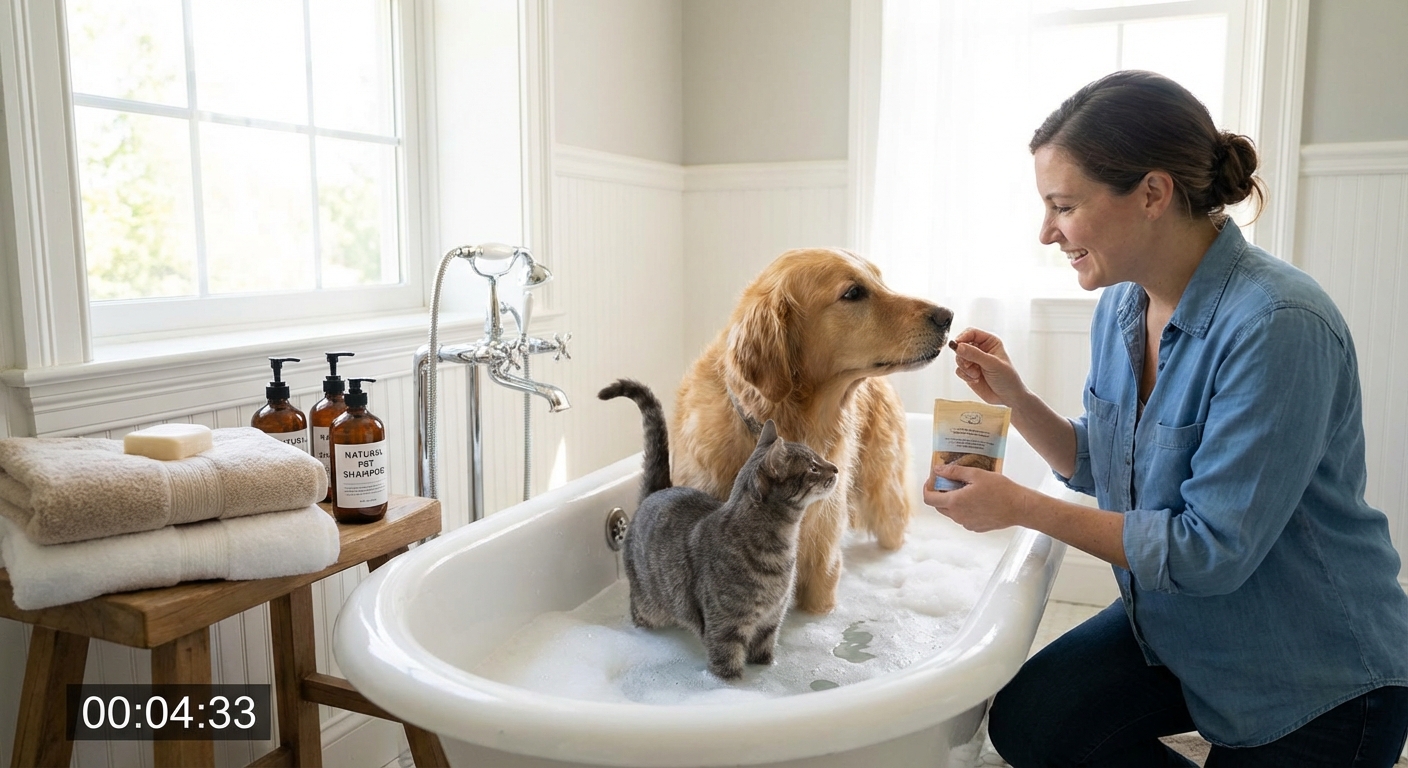
Many pets bolt at the sound of running water or the sight of shampoo. But bathing doesn’t have to be a struggle. When we understand the sensory world of dogs and cats and use evidence‑based handling, we can make bath time calmer—and even enjoyable for some pets.
Rethinking Bath Time: From Stressful Chore to Gentle Care
This guide combines science‑backed strategies, practical steps, and product tips to help you transform bath time into a gentler, more nurturing experience.
How Often Should You Bathe Your Pet?
There’s no one‑size‑fits‑all answer. Over‑bathing can strip natural oils and irritate skin; under‑bathing can lead to odor, buildup, and infection.
Dogs
General starting points (adjust with your vet’s guidance):
- Short coats, indoor lifestyle: Every 6–8 weeks
- Active/outdoor dogs: Every 4–6 weeks or after heavy dirt exposure
- Allergy‑prone or medicated baths: Follow your veterinarian’s schedule (often weekly or bi‑weekly)
Cats
Most healthy, short‑haired cats groom themselves effectively, and routine full baths are often unnecessary.
Bathing may be helpful when:
- The coat is greasy or flaky
- The cat is elderly or overweight and can’t groom effectively
- There are skin conditions (per vet advice)
- The cat has gotten into something toxic or sticky
Spot‑cleaning with a damp cloth or pet wipes is often enough.
Before the Bath: Setting Up for Success
The calmer the setup, the calmer your pet.
Choose the Right Location
- Small dogs & cats: Sink or baby tub with a non‑slip mat
- Medium/large dogs: Bathtub, walk‑in shower, or outdoor dog bath (in warm weather)
Make sure the room is warm and draft‑free. Cold air + wet fur increases stress.
Gather Your Supplies First
Have everything within arm’s reach:
- Pet‑specific shampoo (and conditioner if recommended)
- 2–3 absorbent towels
- Non‑slip mat
- Cup or handheld sprayer
- Cotton rounds (to gently place in dog ears to reduce water entry; do not push inside canal)
- Treats or a lick mat
Water Temperature & Noise
Pets are sensitive to both temperature and sound.
- Aim for lukewarm water—comfortable on the inside of your wrist.
- Run the water before bringing your pet into the room, if possible, to reduce the shock of sudden sound.
Choosing a Pet‑Safe Shampoo (What the Science Says)
Pet skin has a different pH and barrier structure than human skin. Human shampoos (even baby shampoos) can disrupt the skin barrier and microbiome.
Look for dog/cat shampoos that are:
- pH‑balanced for species
- Free from harsh sulfates (like SLS) and parabens
- Lightly scented or fragrance‑free
- Containing soothing ingredients such as colloidal oatmeal, aloe, or ceramides
For pets with allergies, itching, or infections, ask your vet about therapeutic shampoos (antifungal, antibacterial, or medicated for seborrhea). These often require specific contact times (e.g., 5–10 minutes on the skin) to be effective.
Gentle Bathing Technique: Step‑by‑Step for Dogs
Step 1: Desensitization (Especially for Anxious Dogs)
Before full baths, practice:
- Bring your dog into the bathroom, feed a few treats, and then leave—no water.
- Next time, turn on water for a few seconds, treat, turn it off.
- Gradually work up to your dog standing in the empty tub on a mat while eating from a lick mat.
This “slow exposure” approach is supported by behavioral science and can significantly reduce bath‑related fear.
Step 2: Pre‑Bath Brushing
Brush your dog before the bath, especially if they have medium to long hair. Wetting tangles can turn them into tight mats.
Step 3: Wetting the Coat
- Place your dog on the non‑slip mat.
- Start by wetting the body first, using your hand or sprayer close to the skin to minimize splash.
- Avoid spraying directly into the face, ears, or eyes.
Step 4: Shampoo Application
For easier rinsing and even coverage:
- Dilute shampoo in a squeeze bottle (1 part shampoo to 4–5 parts water, unless the label says otherwise).
Then:
- Apply to the back, chest, and hindquarters.
- Gently massage down to the skin in small circles; this can feel like a relaxing massage.
- Wash legs and tail last.
- Clean the face separately with a damp cloth and a tiny amount of diluted shampoo if needed, avoiding eyes.
Step 5: Contact Time (for Medicated Shampoos)
If using medicated shampoo, follow your vet’s directions carefully, often requiring 5–10 minutes of contact. Use this time for calm petting and praise.
Step 6: Rinsing—The Most Important Part
Leftover shampoo can cause irritation.
- Rinse until the water runs clear.
- Then rinse one more time.
- Feel for any slippery spots, especially under the chest, belly, and armpits.
Step 7: Drying
- Squeeze excess water from the coat with your hands.
- Press (don’t rub harshly) with towels.
- For blow‑drying: use the coolest or low‑warmth setting, keep the dryer moving, and never blow directly into ears, eyes, or face.
For double‑coated dogs, thorough drying helps prevent hot spots.
Bathing Cats with Compassion
Many cats never need full baths, but when they do, a gentle, cat‑centered approach matters.
Preparation
- Trim claws a day or two before.
- Brush thoroughly to remove tangles and loose fur.
- Use a small, cozy space—like a bathroom—with a towel on the floor and a shallow tub or sink.
The Bath
- Fill the sink or tub with just a few centimeters of lukewarm water—deep water is scarier.
- Support your cat’s body gently with one hand under the chest.
- Use a cup or small sprayer close to the fur to minimize splashing.
- Wash and rinse quickly but gently, avoiding the face entirely.
- Clean the face with a damp cloth only.
If your cat becomes highly distressed (thrashing, panting, open‑mouth breathing), stop and let them calm down. For some cats, professional grooming with sedation under vet care is the kinder choice.
Product & Equipment Tips (Principles)
Useful Tools
- Non‑slip bath mat: Prevents panic from sliding.
- Handheld showerhead or pitcher: More control, less noise.
- Lick mat or slow‑feeder: Stick to the tub wall with pet‑safe spread (e.g., canned food, xylitol‑free peanut butter for dogs).
After‑Bath Skin Support
For pets with dry or sensitive skin, ask your vet about:
- Conditioner or moisturizing rinses
- Leave‑in sprays with ceramides or fatty acids
These can help protect the skin barrier, especially in pets bathed frequently for allergies.
Heartwarming Ways to Make Bath Time More Positive
Baths are vulnerable moments: your pet is wet, confined, and exposed. Your calm, kind presence makes all the difference.
- Stay emotionally steady. If you’re rushed or frustrated, your pet will feel it.
- Use a low, soothing voice. Narrate what you’re doing: “Rinsing your back now, almost done.”
- End with a favorite ritual. A special towel cuddle, extra brushing, or a short play session helps your pet associate baths with good things.
- Keep sessions short at first. It’s better to do a quick, calm bath than a perfect but overwhelming one.
With patience and empathy, bath time can shift from a dreaded event to a quiet, caring routine that leaves your pet clean, comfortable, and reassured that you’re always on their side.
Key Takeaway
The most important thing to remember from this article is that this information can change how you think about Grooming Guides.